Need a Jump Start Service? Get Moving Fast
August 20, 2026
Emergency Towing vs Flatbed: Which Do You Need?
August 24, 2026

A car that has been sitting in the driveway can turn into a bigger problem fast. The battery dies, tires lose air, registration comes due, and every extra week leaves you with less space and more stress. This car selling checklist helps you get organized before you accept an offer, whether the vehicle runs perfectly, needs repairs, or will not start at all.
The goal is simple: know what you have, gather what is needed, and choose a buyer who can complete the sale without wasting your time. No dealerships. No haggling. No guessing about how you will get an inoperable vehicle off your property.
Car Selling Checklist Before You Ask for Offers
Start with the basic facts about your vehicle. A serious buyer will need the year, make, model, trim, mileage, VIN, and overall condition. Be direct about damage, warning lights, missing parts, accident history, mechanical issues, and whether the car starts and drives.
Honesty saves time on both sides. A vehicle with a bad transmission, blown engine, flood damage, or a failed battery can still have value. But a buyer needs accurate information to make a fair offer and bring the right equipment for pickup.
Before reaching out, take a few minutes to check these details:
- Locate the vehicle title and confirm the name on it matches the seller.
- Find the VIN, usually visible through the windshield on the driver’s side dashboard or inside the driver’s door frame.
- Check the odometer and write down the current mileage.
- Note whether the vehicle runs, moves, has keys, and has inflated tires.
- List major problems, including collision damage, missing catalytic converters, flat tires, or a dead battery.
- Remove personal belongings from the cabin, trunk, glove box, center console, and door pockets.
Photos can also speed up the process. Take clear pictures of the front, rear, both sides, interior, odometer, VIN plate, title, and any major damage. You do not need professional photos for a damaged or junk vehicle. You do need photos that show the real condition.
Check the Title Before You Make Plans
The title is often the one item that determines whether a sale can happen today or has to wait. If you have a clear title in your name, the process is usually straightforward. If there is a lien listed, you may need proof that the loan has been paid or documentation from the lender before ownership can be transferred.
If the title is lost, request a replacement as soon as possible. Do not assume a buyer can work around it. Rules can vary by vehicle age, condition, and state requirements, but having the correct ownership paperwork prevents last-minute surprises.
Make sure every owner listed on the title is available to sign if required. A spouse, family member, or former co-owner cannot be left out just because they do not drive the vehicle anymore. If you are selling on behalf of someone else, confirm that you have the legal authority and documents needed to do so.
Decide What Your Car Is Really Worth
A clean, running vehicle with low miles may be worth more through a private sale. That route can work if you have time to clean it, list it, answer messages, meet strangers, negotiate, and manage test drives. It also means waiting for the right buyer and dealing with people who do not show up.
A damaged, high-mileage, non-running, or unwanted vehicle is different. Spending money on repairs, detailing, towing, or new tires may not increase the final sale price enough to make sense. In that situation, a direct cash buyer is often the practical choice.
When comparing offers, look beyond the number. Ask whether towing is included, whether pickup is free, when payment is made, and whether the buyer will take the vehicle in its current condition. A high offer that requires you to pay for a tow or fix a problem first is not always the best offer.
The value depends on the vehicle’s year, condition, demand for parts, title status, location, and current scrap or used-car market. There is no honest one-price answer for every vehicle. Clear details lead to a more accurate offer.
Prepare the Vehicle Without Wasting Money
You do not need to restore a car before selling it. For a vehicle headed to a direct buyer, basic preparation is enough. Take out personal items, remove toll passes, clear garage remotes, and delete saved addresses or contacts from the infotainment system if possible.
If the car still runs, a quick wash can make it easier to inspect. If it does not run, do not spend money trying to make it look perfect. Focus on access. Make sure the vehicle is not blocked in, has room around it for a tow truck, and can be reached safely.
Keep all keys, key fobs, wheel lock keys, and relevant paperwork together. One working key is helpful, but do not let a missing key stop you from asking for an offer. Just mention it upfront.
Do Not Forget Florida Plates and Insurance
For Tampa Bay sellers, the license plate generally stays with the owner rather than the vehicle. Remove your plate before the vehicle leaves unless you have confirmed another arrangement that follows Florida requirements. You may be able to transfer the plate to another vehicle or surrender it, depending on your situation.
Canceling insurance too early can create a problem if the car is still registered in your name. Handle the title transfer, plate, registration, and insurance steps in the correct order for your circumstances. If you are unsure, check the current Florida requirements or speak with your insurer before canceling coverage.
Also keep a copy of the signed title, bill of sale if one is used, and any sale notification paperwork. These records help show when you no longer owned the vehicle.
Use This Car Selling Checklist for a Safe Pickup
A fast sale should still be a safe, documented sale. Confirm the buyer’s business identity, the agreed offer, the pickup window, and what paperwork is required before the tow truck arrives. If the buyer changes the price because of a condition you already disclosed, stop and ask why.
Price changes are reasonable only when new information appears, such as undisclosed frame damage, a missing title, or a vehicle that cannot be accessed for pickup. They are not reasonable when the buyer simply tries to pressure you at the curb.
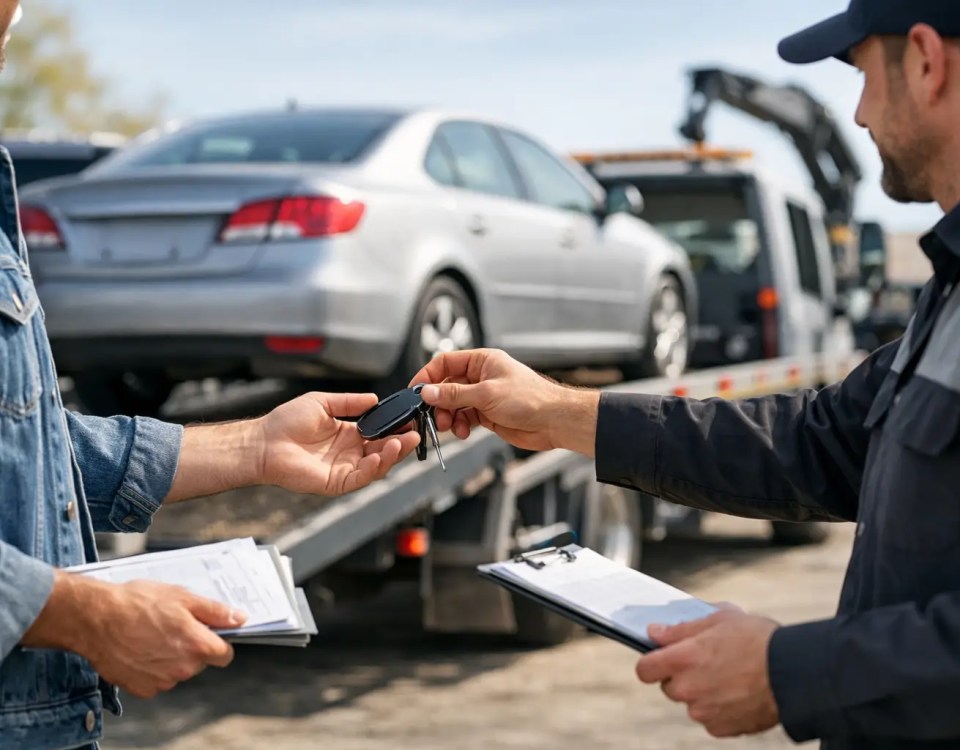
At pickup, review the title before signing. Complete the seller sections accurately and do not leave blank areas that someone else could fill in later. Get payment as agreed, then hand over the keys and vehicle only after the paperwork is complete.
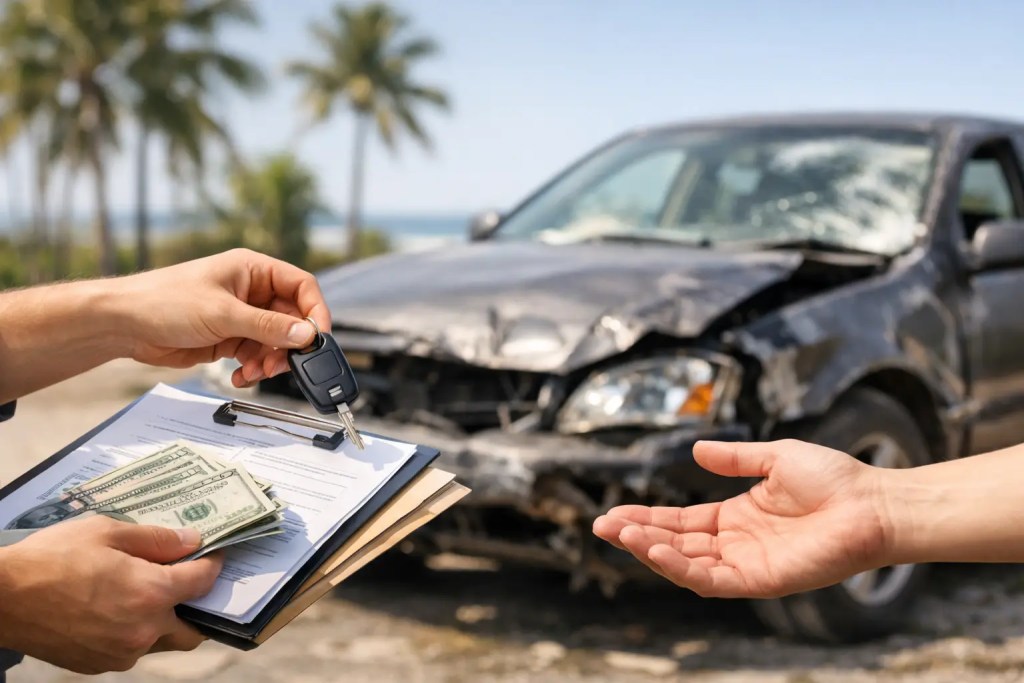
For cash payment, count it before the truck leaves. For electronic payment, verify that the funds have arrived in your account rather than relying on a screenshot or email confirmation. Avoid buyers who ask you to pay a fee, send a deposit, share banking passwords, or accept a check for more than the vehicle price.
If the vehicle is on a busy street, in an apartment complex, or behind another car, tell the buyer ahead of time. A reliable towing company can plan for tight access, but advance notice helps avoid delays.
When Selling As-Is Is the Better Move
Selling as-is is not settling for less. It is often the right move when repair costs are higher than the vehicle’s value, the car has been sitting too long, or you need it gone now. It is also a good option when the vehicle has a serious mechanical issue that makes private test drives unrealistic.
Titan Tow & Roadside helps Tampa Bay owners turn unwanted, damaged, high-mileage, and non-running vehicles into cash with a straightforward offer and free pickup. The process is built for people who do not have time to chase buyers or arrange a separate tow.
Have your title, vehicle details, and honest condition report ready. That is usually all it takes to move from an unwanted car in the driveway to a completed sale and an open parking space.
Need help with this today? We serve St. Petersburg, Tampa, Clearwater, Largo, Safety Harbor and Palm Harbor — 24/7.