Car Selling Checklist: Get Cash Without Delays
August 22, 2026
Vehicle Recovery: What to Do When You’re Stuck
August 26, 2026
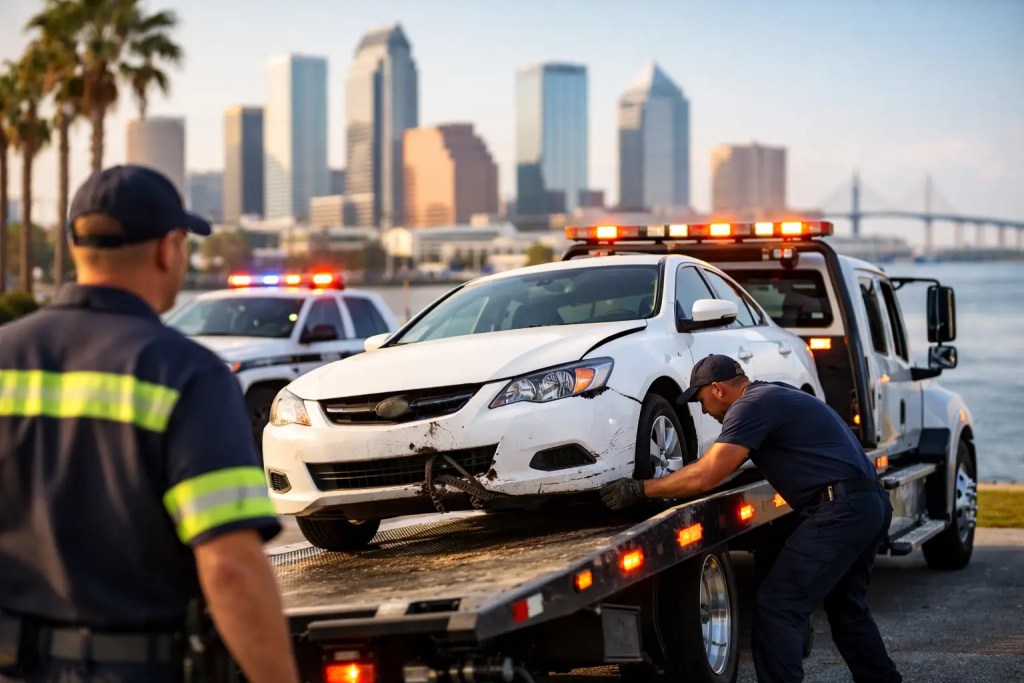
A vehicle stopped on the shoulder is stressful enough. The last thing you need is the wrong towing method causing more damage on the way to a shop. When people compare emergency towing vs flatbed, they are usually asking one question: what is the safest, fastest way to get my vehicle off the road?
The answer depends on the vehicle, the damage, and where it is sitting. Emergency towing describes the urgent response you need. A flatbed describes one type of truck and transport method. Sometimes a standard wheel-lift tow is appropriate. Other times, a flatbed is the only smart choice.
Emergency Towing vs Flatbed: The Real Difference
Emergency towing is the service you call when your vehicle cannot stay where it is. Maybe it will not start in a parking lot, overheated on I-275, broke down in traffic, or was damaged in an accident. The priority is getting you and your vehicle to a safer location without wasting time.
A towing company may send a wheel-lift truck, a flatbed, or recovery equipment based on the situation. That means emergency towing is not automatically one towing method. It is the fast-response service category.
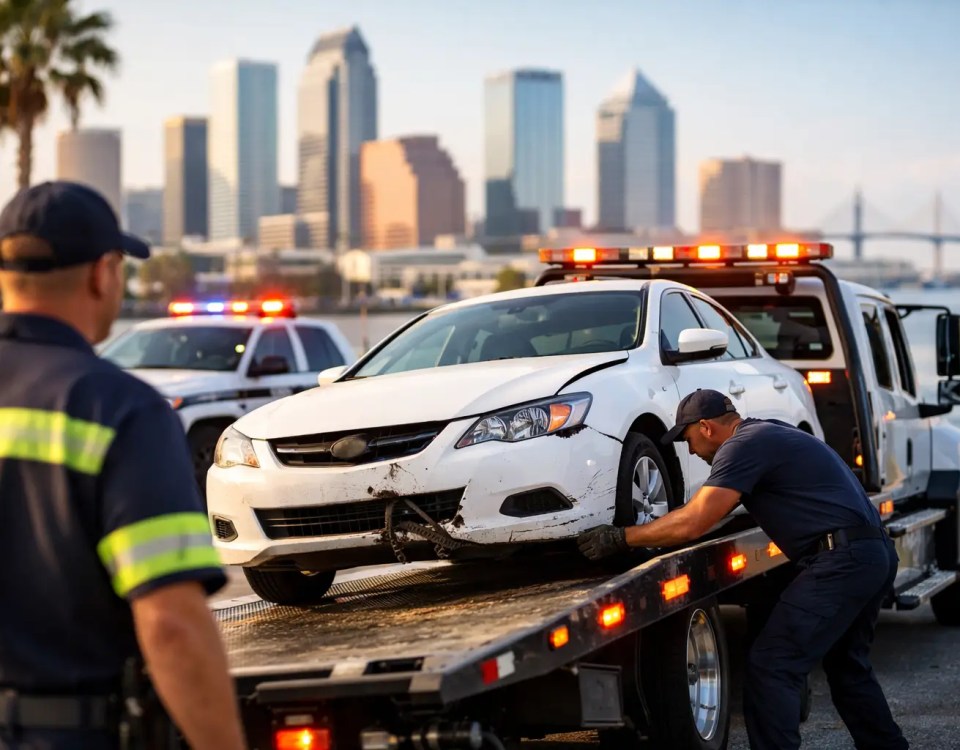
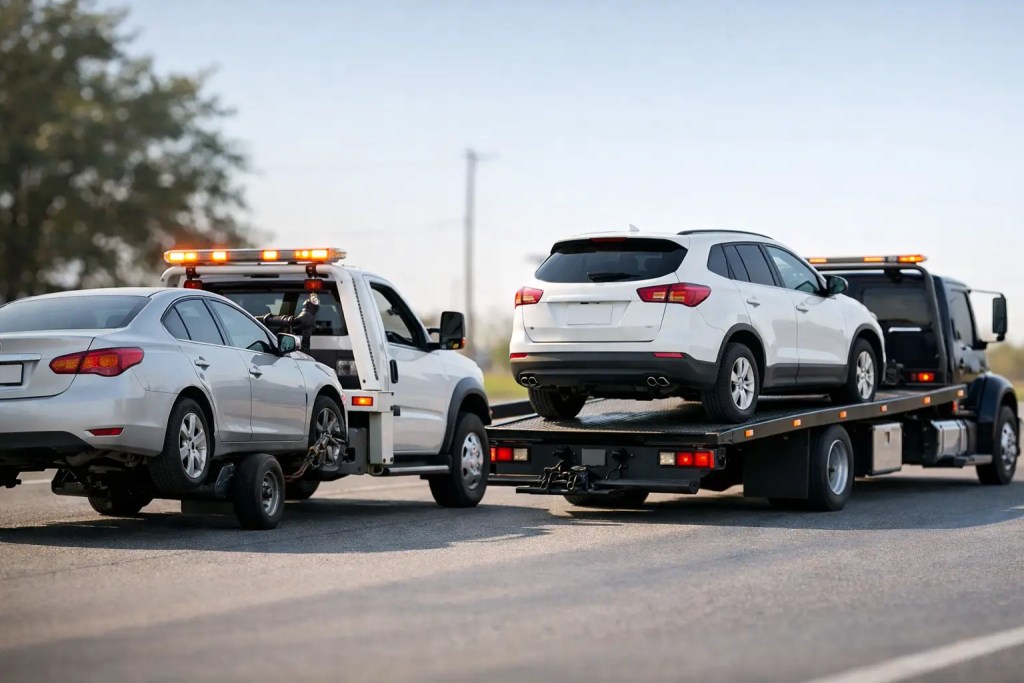
A flatbed tow truck carries the entire vehicle on a level platform. All four tires are off the road during transport. The vehicle is loaded using a winch or, when it is safe and possible, driven onto the bed. Once secured, it rides without its wheels turning.
A wheel-lift tow raises one end of the vehicle while the other wheels remain on the pavement. It can be a fast, practical option for certain vehicles and short local moves. It is not the right choice for every drivetrain, every damage situation, or every road condition.
When a Flatbed Is the Better Call
Flatbed towing costs more in some situations because the equipment and loading process can take more work. But the extra protection is often worth it. Avoiding one transmission, suspension, bumper, or drivetrain repair can make the decision easy.
All-wheel drive, four-wheel drive, and many EVs
All-wheel-drive and four-wheel-drive vehicles often need all four wheels off the road. Towing them with two wheels down can put unnecessary stress on the drivetrain, transfer case, or differentials. The exact requirement varies by manufacturer, but flatbed transport is the safest default when you are unsure.
Electric vehicles can also require special handling. Some have very low ground clearance, battery packs under the floor, and manufacturer-specific towing instructions. A flatbed helps prevent unwanted wheel rotation and reduces the chance of underbody damage during loading.
Accident damage or a wheel that will not roll
After a collision, a vehicle may look drivable when it is not. A bent wheel, broken control arm, damaged axle, locked brake, deployed airbag, or leaking fluid can make a wheel-lift tow risky. If a tire is flat, a wheel is pushed inward, or steering is not working correctly, a flatbed is usually the safer option.
The same applies after hitting a curb, pothole, or road debris. If the vehicle pulls hard, sits lower on one corner, makes grinding sounds, or has visible suspension damage, do not assume it can be towed normally. Tell dispatch what happened so the right truck arrives first.
Low-clearance, luxury, and specialty vehicles
Sports cars, lowered vehicles, classic cars, and many luxury models need extra care. Their bumpers, splitters, exhaust components, and undercarriage can be close to the ground. A flatbed with proper loading techniques helps avoid scraping and protects the vehicle from road debris during transport.
For a vehicle you have invested time or money into, flatbed towing is not overkill. It is a practical way to keep a breakdown from becoming a bigger repair bill.
Longer-distance transport
A wheel-lift tow may be fine for a short move when the vehicle is compatible and undamaged. For a longer trip across the Tampa Bay area or to a specialty repair facility, flatbed transport generally offers more protection. The vehicle is fully secured, and its tires, bearings, and drivetrain are not traveling on the roadway.
When Standard Emergency Towing May Be Enough
Not every disabled vehicle needs a flatbed. If you have a two-wheel-drive vehicle with no collision damage, the wheels roll freely, and the manufacturer allows it, a wheel-lift tow can be an efficient solution.
For example, a front-wheel-drive sedan with a dead battery, failed starter, or engine problem may be safely towed with its front wheels lifted. A rear-wheel-drive truck or car may be towed with its rear wheels lifted when conditions allow. The towing operator must still inspect the vehicle, secure it correctly, and account for the destination and route.
Access also matters. Tight parking garages, narrow driveways, crowded lots, and some recovery scenes may call for a wheel-lift truck or a different approach. The best tow is not simply the biggest truck. It is the method that gets the vehicle out safely and efficiently.
What Dispatch Needs to Know Before Sending a Truck
Clear information saves time. It helps the towing company send the right equipment instead of arriving, reassessing, and having to request another truck.
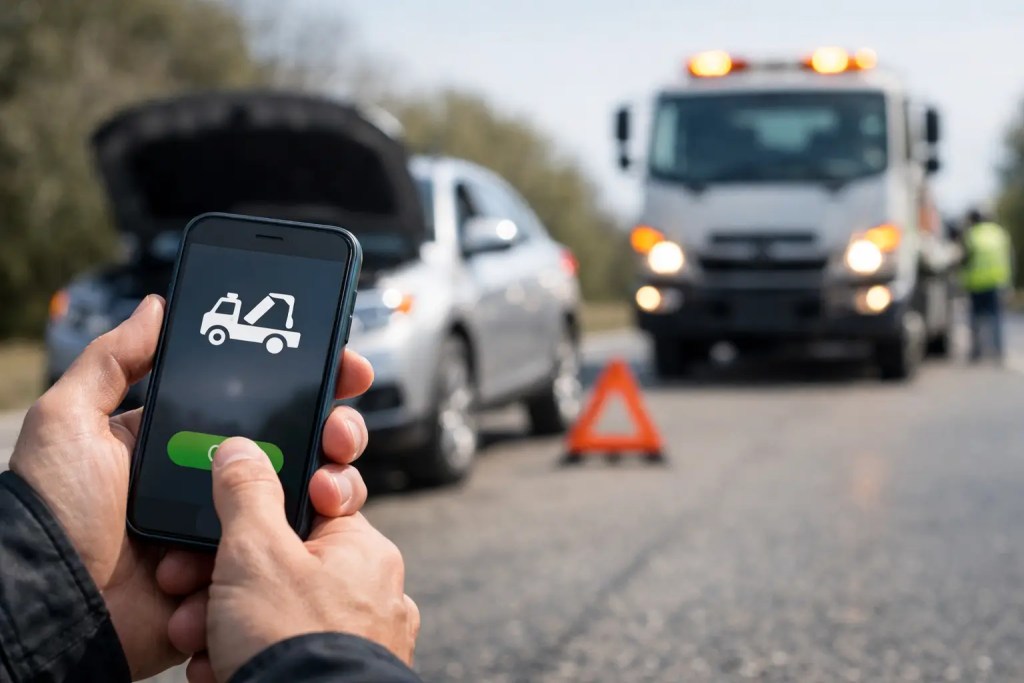
When requesting roadside help, be ready to provide:
- Your exact location, including nearby cross streets, exit numbers, or business names
- The vehicle year, make, model, and whether it is two-wheel drive, AWD, 4WD, hybrid, or electric
- What happened, such as a breakdown, collision, flat tire, dead battery, overheating, or flooding
- Whether the vehicle rolls, steers, shifts into neutral, or has a damaged wheel
- Your intended destination, including a repair shop, home, dealership, or safe parking area
Do not guess if you are not sure about the drivetrain or damage. Say what you can see and what the vehicle is doing. A professional operator can ask the follow-up questions that matter.
Roadside Service Can Sometimes Avoid the Tow
A tow is not always necessary. A dead battery may only need a jump start. A lockout may be solved without damaging the door or window. A flat tire may be changed if you have a usable spare and the vehicle is in a safe location.
That said, roadside service should not be forced when the vehicle has a deeper problem. If a battery keeps dying, the alternator may have failed. If a tire blew out at speed, the wheel or suspension could be damaged. If an engine overheated, driving again can lead to serious engine damage. A quick assessment can help determine whether you need a simple roadside fix or immediate towing.
Tampa Bay Conditions Can Change the Decision
Heavy rain, standing water, high-speed traffic, and intense heat can turn a routine breakdown into an urgent situation. On a busy roadway, your safety comes before diagnosing the vehicle. Move as far from traffic as possible if the vehicle can be moved safely, turn on your hazard lights, and stay away from passing lanes.
Never attempt to drive through deep standing water to reach a safer spot. Water can damage engines, electrical systems, brakes, and interiors. If your vehicle was submerged or stalled in water, tell the towing company before they arrive. Recovery may require special handling, and restarting the vehicle could make damage worse.
Cost Matters, but So Does Preventing More Damage
It is fair to ask about towing cost. Emergency calls, distance, vehicle condition, access, recovery needs, and the type of truck required can all affect the price. Flatbed towing may cost more than a simple wheel-lift tow, but it can be less expensive than repairing damage from an improper tow.
The goal is not to pay for equipment you do not need. The goal is to send equipment that matches the vehicle and the problem. Straight answers up front make that easier.
If your vehicle is unwanted, non-running, badly damaged, or not worth repairing, towing it to a shop may not be the only option. Titan Tow & Roadside can also help qualifying vehicle owners turn unwanted cars into cash with a straightforward pickup process. No dealership visit. No haggling over a vehicle that no longer serves you.
When your vehicle stops, focus on the next safe step. Get out of danger, share accurate details, and choose a tow method that protects the vehicle you still have. A fast response is valuable. The right response is better.
Need help with this today? We serve St. Petersburg, Tampa, Clearwater, Largo, Safety Harbor and Palm Harbor — 24/7.