How to Sell a Junk Car in Clearwater Fast
August 4, 2026
Your Cash Offer Timeline From Call to Payment
August 8, 2026
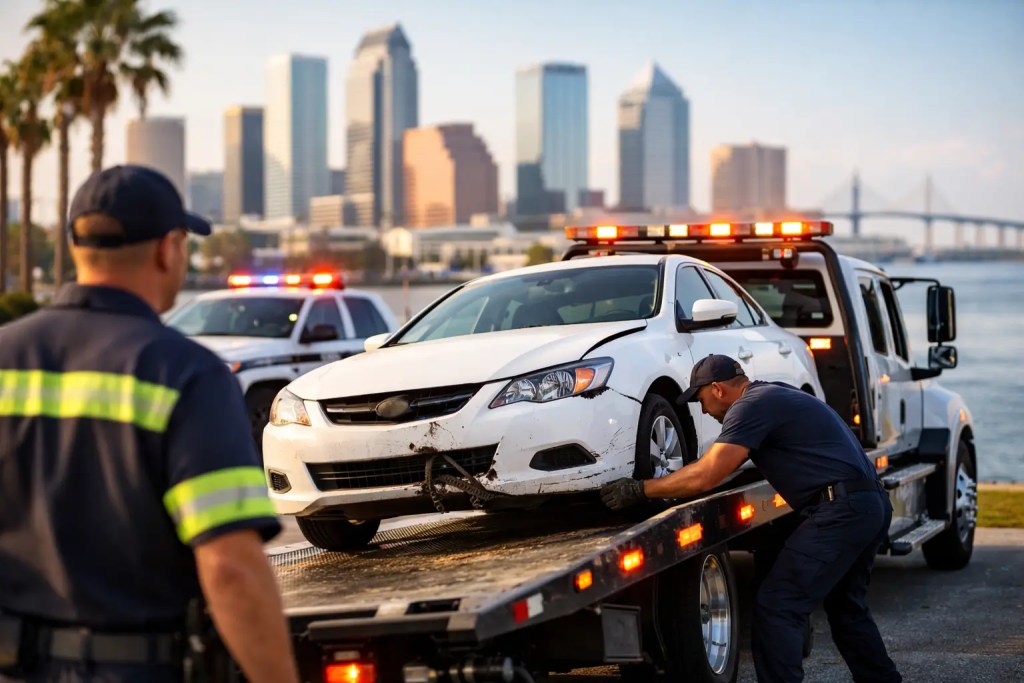
A dead battery on I-275, a flat tire on Dale Mabry, or a vehicle that quits in a parking lot can turn a normal day into a problem fast. Tampa emergency tow response times matter because the longer you are stuck, the more exposed you may be to traffic, heat, and missed obligations. The goal is not a vague promise. It is getting clear information, the right truck, and help headed your way without wasted time.
What Tampa Emergency Tow Response Times Really Depend On
There is no single response time that fits every roadside call. A tow truck may be close by and available, or it may be finishing a recovery several miles away. The fastest possible arrival depends on where you are, what type of help you need, and what is happening on Tampa Bay roads at that moment.
Traffic is a major factor. A breakdown near downtown Tampa during rush hour, on the Howard Frankland Bridge, or along a busy stretch of I-4 can take longer to reach than a call from a quiet neighborhood. Heavy rain can slow trucks down, too. Florida storms reduce visibility, create standing water, and increase the number of drivers who need help at the same time.
Your exact location also matters. “I’m near Brandon” gives dispatch a general area, but it does not put a truck at your vehicle. An exit number, cross streets, nearby business, parking-lot name, or a shared map location helps the driver find you without circling around or calling repeatedly for directions.
The service itself can affect arrival and completion time. A jump start, lockout, or spare-tire change may only require a roadside service vehicle. A damaged vehicle, an all-wheel-drive vehicle, or a vehicle stuck off the road may require specific towing equipment. Sending the right equipment first is usually faster than sending the closest truck and discovering it cannot safely handle the job.
The Difference Between an ETA and a Real Plan
A reasonable estimated arrival time is useful, but it is still an estimate. Dispatchers account for distance, traffic, truck availability, and the details you provide. Conditions can change between the time a driver is assigned and the time they arrive. A crash can close lanes. A storm can slow traffic. Another active emergency may require a longer recovery than expected.
What you should expect is direct communication. A dependable towing company should tell you what service is being dispatched, provide a realistic window when possible, and update you if conditions change. A quick answer is helpful. A clear answer is better.
Be cautious with any company that promises an unrealistically short arrival before asking where you are or what happened. Fast service is the priority, but accuracy matters. If your car is in a dangerous position, the response plan needs to protect you and other drivers, not just produce a number that sounds good on the phone.
When the Situation Is a 911 Emergency
If anyone is injured, there is a fire, fuel is leaking, your vehicle is blocking active travel lanes, or you feel unsafe, call 911 first. Towing and roadside assistance are for getting the vehicle handled after emergency responders address immediate danger.
If your vehicle can be moved safely, pull as far off the road as possible. Turn on your hazard lights. At night or in poor weather, stay visible without standing near traffic. If you can safely exit the vehicle, move away from travel lanes and wait in a protected location. Do not attempt repairs beside fast-moving traffic.
How to Help a Tow Truck Reach You Faster
The best way to reduce delays starts before the truck is dispatched. Give accurate details the first time. State your location, vehicle type, condition, and the kind of assistance you believe you need. If you are on a highway, share the direction of travel and the nearest exit or mile marker.
Tell dispatch whether the vehicle is in a garage, behind a gate, in a parking deck, on soft ground, or involved in an accident. Mention low clearance, locked wheels, missing keys, or a vehicle that will not shift into neutral. These details are not minor. They determine what truck and equipment should be sent.
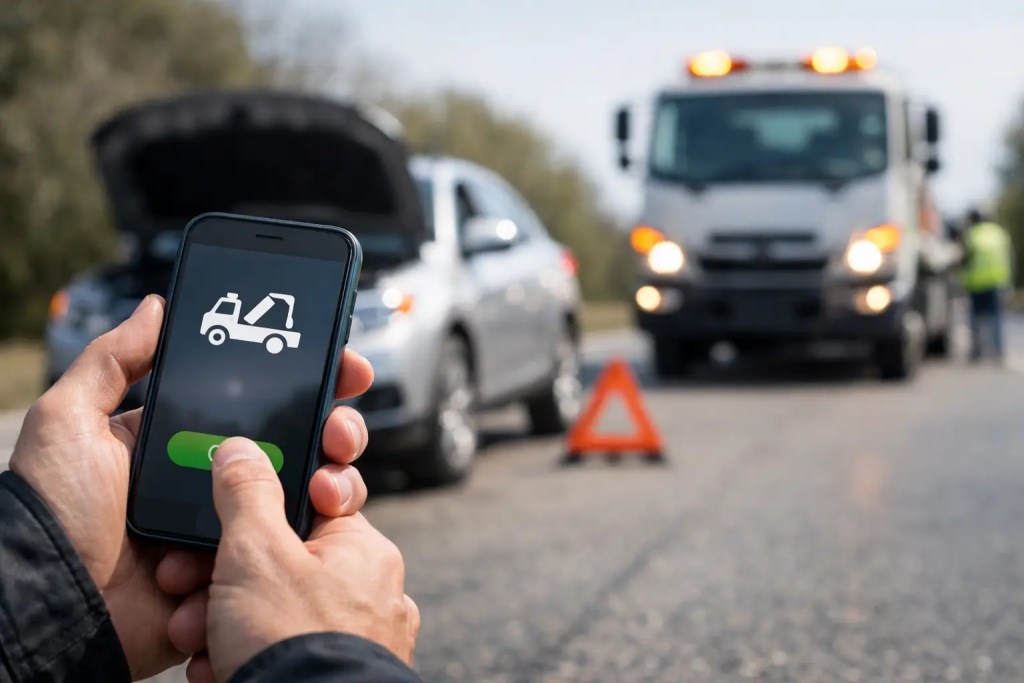
Have your phone nearby and answer calls from the towing company. A driver may need to confirm an entrance, locate you in a large shopping center, or explain where to meet safely. If your phone battery is low, say so early. Keeping communication open prevents a simple roadside call from becoming a search.
You can also prepare while you wait. Gather your registration, insurance information, and destination address. Remove valuables if your vehicle will be towed. If the car is safe to access, take a few photos of its condition before transport. This takes only a few minutes and helps you stay organized when the situation is stressful.
Fast Is Important, but Safe Towing Comes First
A rushed hookup can create more damage than a longer, properly handled tow. This is especially true after a collision, when suspension damage, leaking fluids, or deployed airbags may make the vehicle unsafe to move normally. It also applies to electric vehicles, lowered cars, luxury vehicles, and vehicles with all-wheel drive.
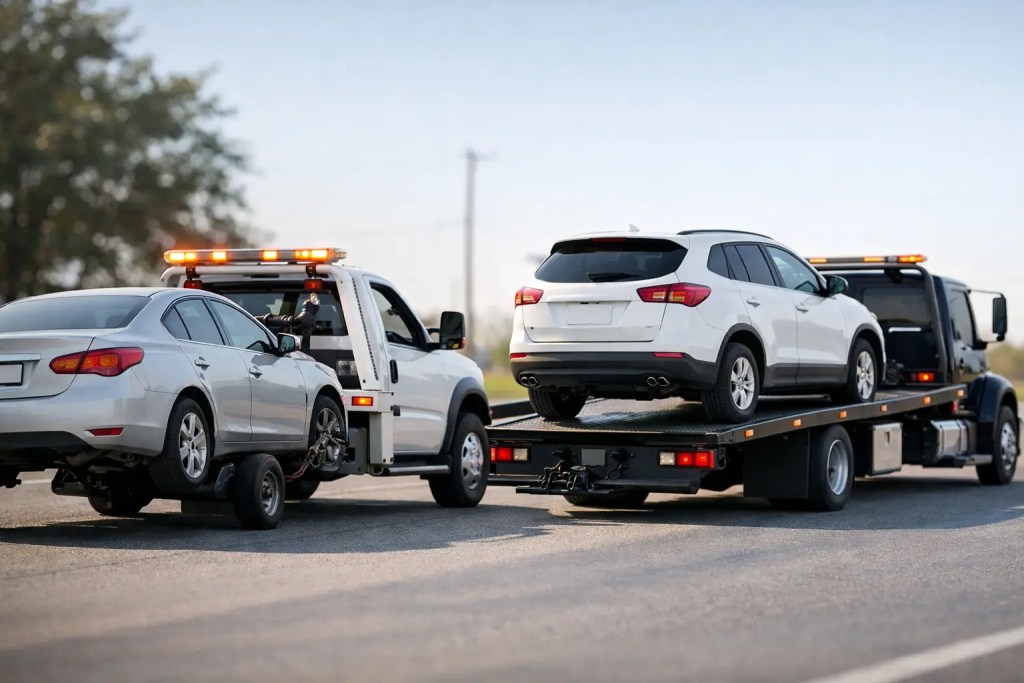
For these vehicles, the right method may involve a flatbed, dollies, winching equipment, or extra recovery steps. That can add time, but it protects the vehicle. The best emergency tow response is not simply the first truck that arrives. It is the truck that can load and transport your vehicle correctly.
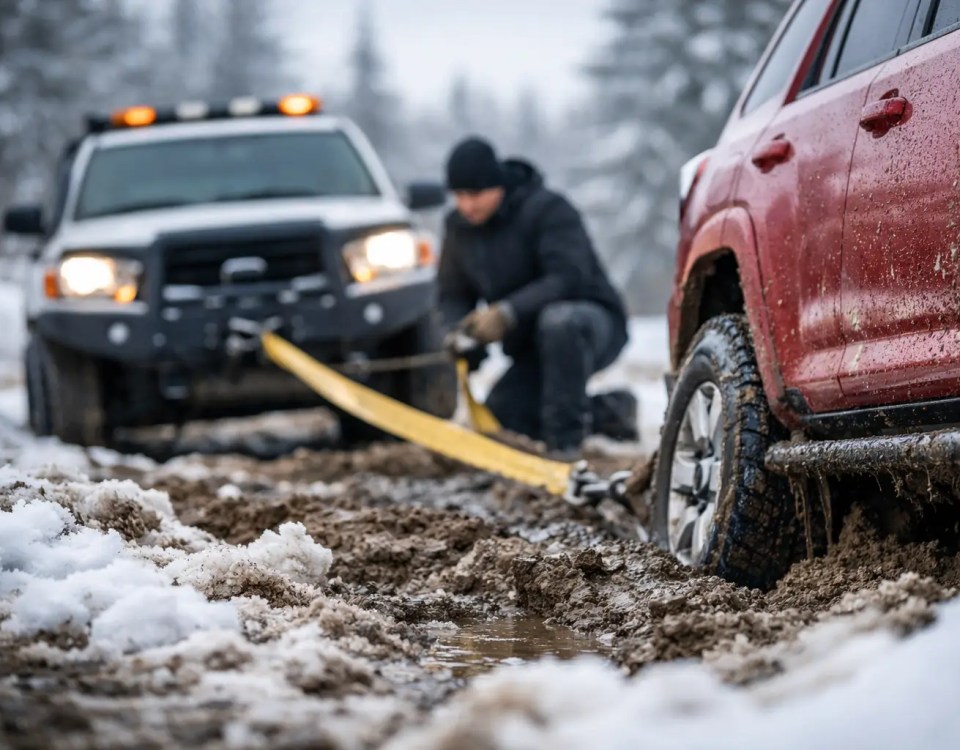
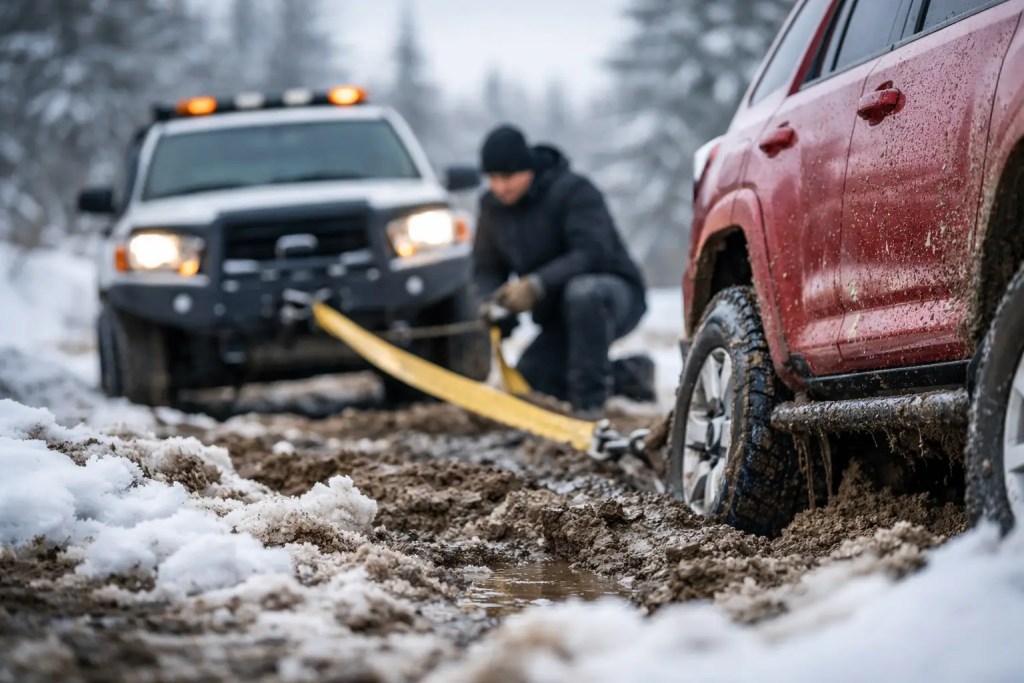
The same principle applies to vehicle recovery. A car stuck in mud, a ditch, a flooded area, or an awkward parking situation is different from a standard roadside tow. Recovery work requires careful positioning and the right gear. Be honest about the situation so the operator can plan for it safely.
What to Ask When You Need Emergency Towing
You do not need a long conversation while stranded, but a few direct questions can prevent confusion. Ask whether the company can handle your vehicle type and condition, what information they need to dispatch the right truck, and whether there are access issues at your pickup location. If the vehicle needs to go to a repair shop, confirm the destination before the truck arrives.
If you only need a jump start, lockout service, fuel delivery, or tire change, say that clearly. A roadside fix can get you moving without a tow when the vehicle is otherwise safe to drive. But if the engine is overheating, warning lights are serious, a tire has sidewall damage, or the vehicle is not handling normally, towing may be the safer call.
Titan Tow & Roadside LLC focuses on straightforward communication for Tampa Bay drivers who need help now. The point is simple: explain what happened, send the appropriate assistance, and keep you informed until the job is done.
Why Location Changes the Wait
Tampa Bay covers a large area, and a call in Tampa may be very different from one in Clearwater, Riverview, Plant City, or New Port Richey. Distance matters, but so do road patterns. Bridges, construction zones, event traffic, storm conditions, and highway backups can all shape the route a driver must take.
That does not mean you should wait to call until you know every detail. Call as soon as you are safe. Give the best location information you have, then update it if needed. Early dispatch gives the towing company more time to assign the nearest suitable truck and plan the safest approach.
When your vehicle leaves you stranded, focus on the next practical move: get to a safe spot, share your exact location, describe the problem honestly, and keep your phone on. Clear information gives emergency towing crews the best chance to reach you quickly and get your day moving again.
Need help with this today? We serve St. Petersburg, Tampa, Clearwater, Largo, Safety Harbor and Palm Harbor — 24/7.