How to Sell Used Non Running Car Fast
June 14, 2026
Can I Sell a Non-Running Car?
June 16, 2026

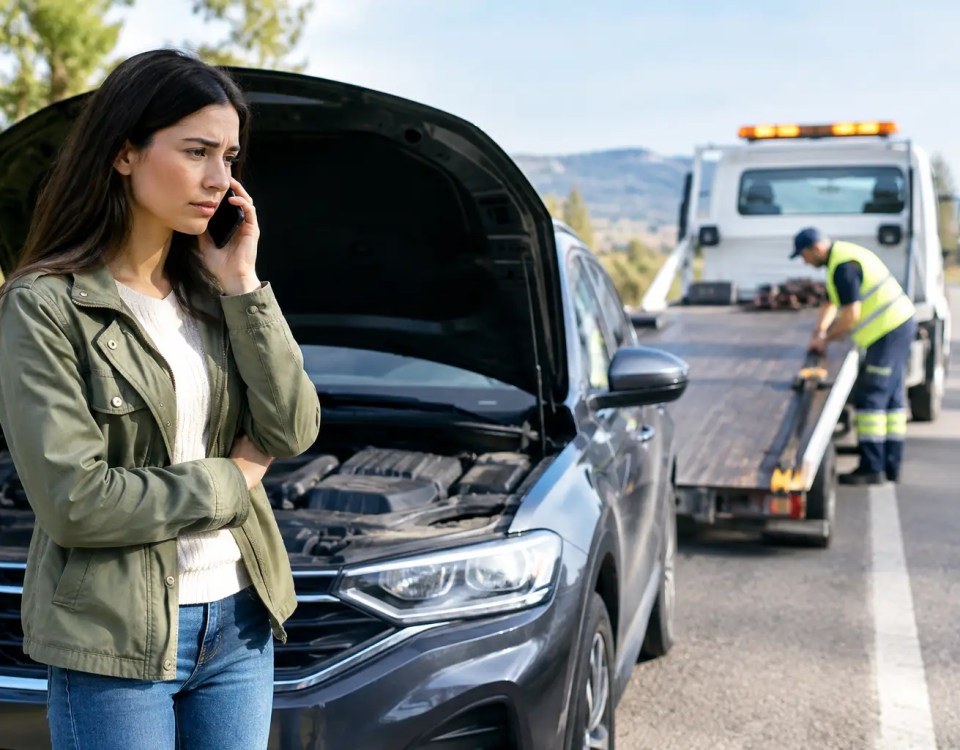
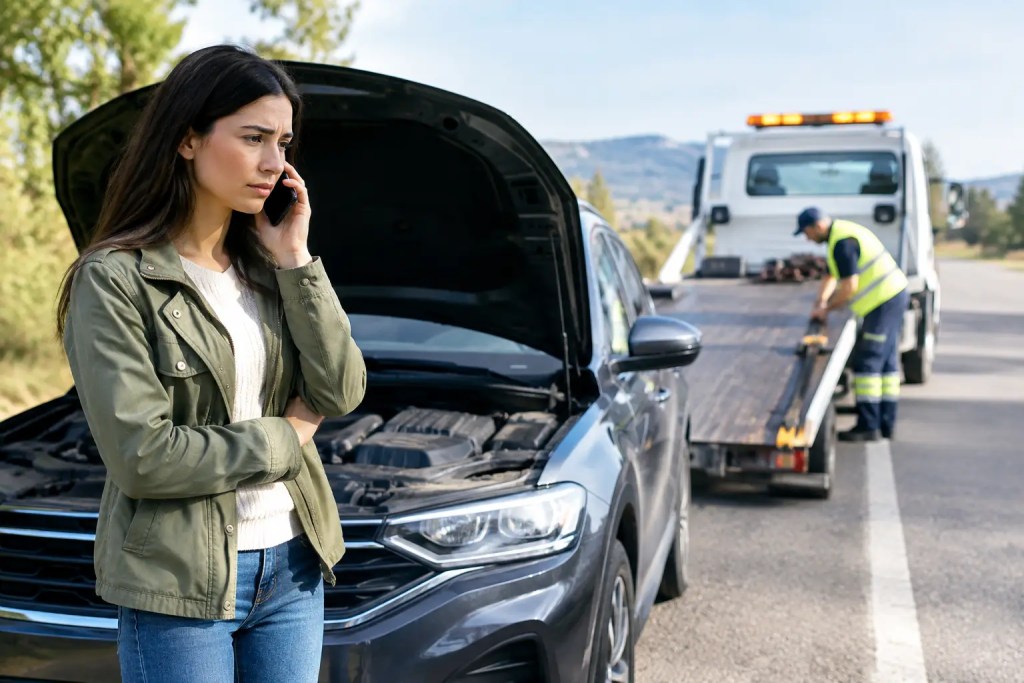
A car that will not start can sit in your driveway for weeks before you realize it has become a bigger problem than a transportation issue. It takes up space, may violate apartment or HOA rules, and keeps losing value while you decide what to do. If you are trying to figure out where to sell non running vehicles, the short answer is this: sell to a local cash buyer that purchases cars as-is and picks them up.
That option is usually the fastest and least stressful, but it is not the only one. The right choice depends on the vehicle, your timeline, your paperwork, and how much effort you want to put into the sale.
Where to sell non running vehicles without wasting time
Most non-running vehicles do not sell well through the usual routes. A dealership usually wants something they can resell quickly. A private buyer may show interest, then disappear once they learn the vehicle needs towing or major repairs. If your goal is speed, convenience, and a fair as-is offer, your best option is usually a buyer that specializes in junk, damaged, and non-running vehicles.
These buyers are set up for exactly this kind of situation. They know how to price vehicles that have engine trouble, transmission failure, collision damage, electrical issues, or simply too many miles to justify repairs. Just as important, they usually handle towing and paperwork, which removes two of the biggest roadblocks for sellers.
Other options do exist. You can try a private sale, sell it for parts, trade it in, or send it to a scrapyard. Each path has trade-offs, and those trade-offs matter if you need the vehicle gone today, not next month.
Your main options, and what each one really means
A private sale sounds appealing because, in theory, you might get more money. In reality, selling a non-running car privately is slow and unpredictable. Buyers ask a lot of questions, want detailed photos, and often expect you to know exactly what is wrong with the vehicle. Many will try to negotiate hard because they know your car cannot be test-driven. Others will agree on a price, then expect you to help arrange towing or wait around while they “think about it.”
Trading it in is convenient only if you are already buying another vehicle and the dealer is willing to take it. For a non-running vehicle, that offer is often very low. Dealers are not usually interested in repair projects unless the vehicle has unusual value. If the car is older, heavily damaged, or has serious mechanical problems, they may not want it at all.
Selling to a scrapyard can work if the vehicle is truly at the end of the road. If the car only has scrap value, this may be the simplest route. The downside is that scrap pricing is based heavily on weight and raw material value, so you may get less than you would from a buyer who sees usable parts or resale potential in the vehicle.
Parting the car out can sometimes bring in more money, but it takes time, space, tools, and patience. You need to remove parts, store them, list them, answer messages, collect payments, and dispose of whatever remains. For most people, especially those dealing with a dead vehicle they just want gone, this is more work than it is worth.
A local cash vehicle buyer is often the most practical choice because the process is built around speed. You give the details, get an offer, schedule pickup, hand over the paperwork, and get paid. No listings. No repair bills. No waiting for the right buyer.
What makes a non-running vehicle worth buying
A lot of sellers assume a vehicle that will not start has no value. That is usually not true. A non-running car can still be worth good money depending on the year, make, model, condition, mileage, damage, and parts demand.
Sometimes the problem is major, like a seized engine or failed transmission. Sometimes it is smaller, like a starter, battery, alternator, or fuel system issue. Buyers who work with non-running vehicles know the difference, but they also know that even a car with serious problems may still have value in its parts, body panels, wheels, catalytic converter, or scrap metal.
That is why honest details matter. If the vehicle does not start, say so. If it was in an accident, say that too. If the title is missing, mention it upfront. Clear information usually leads to a faster offer and fewer surprises at pickup.
How to choose the right buyer
Not every buyer offering cash for cars operates the same way. If you are comparing options, focus less on the headline promise and more on the actual process.
First, ask whether the offer is for the vehicle as-is. Some companies advertise a strong number, then reduce it when the tow truck arrives. A dependable buyer should be able to give you a realistic quote based on the information you provide.
Second, ask if towing is free. This matters more than many sellers realize. A non-running vehicle needs to be moved, and tow costs can wipe out a decent offer fast.
Third, ask how quickly they can pick up the vehicle and pay you. If the car is blocking a garage, sitting at a shop, or creating problems with a landlord or HOA, timing matters. Same-day service is a real advantage when you need the issue handled now.
Finally, ask what paperwork you need. A solid buyer should explain the title process clearly and tell you what to bring. If you are in the Tampa Bay area, working with a local company that buys these vehicles every day can make the process much easier. Titan Tow & Roadside LLC is one example of the kind of buyer people look for when they want a fast offer, free pickup, and help getting the paperwork done without extra back-and-forth.
When a private sale still makes sense
There are cases where selling privately is worth trying. If the vehicle is newer, has a strong resale market, and the issue is minor or already diagnosed, you may find a mechanic, rebuilder, or hobbyist willing to pay more than a junk car buyer would.
But be honest about the time involved. You will need to create the listing, answer questions, coordinate showings, and deal with low offers. You may also need to provide diagnostic reports or repair estimates. If you are not in a rush and the vehicle has clear upside, it can be worth testing the market. If you need certainty and speed, it usually is not.
Why local matters when selling a non-running car
If your vehicle does not run, local service becomes more important. A buyer from out of town may offer a number online, then delay pickup or add transport complications. A local buyer can often inspect less, move faster, and get the vehicle off your property the same day.
That matters in real life. If the car is stranded at a repair shop, you may be paying storage. If it is sitting at home, you may be tired of seeing it every day. If it is on a dead battery and four flat tires, you want someone who already has the equipment and knows how to handle the pickup.
For sellers in places like Tampa, St. Petersburg, Clearwater, or Brandon, a nearby buyer is often the easiest path because there is less delay between quote and removal.
What to do before you sell
Before the vehicle is picked up, remove your personal items and gather whatever documents you have. If you have the title, keep it ready. If you do not, ask the buyer what your options are before scheduling pickup.
Take off the license plate if required in your situation, and clear out toll tags, insurance cards, garage openers, and anything else tied to your daily life. Even when the vehicle is not running, this part is easy to overlook.
It also helps to have basic information ready when requesting a quote. The year, make, model, mileage, and a clear description of the issue usually gets the process moving faster.
The best place to sell depends on your goal
If your goal is squeezing every possible dollar out of the vehicle, a private sale or part-out may be worth the effort. If your goal is getting rid of a problem vehicle today, that is a different decision.
Most people searching where to sell non running vehicles are not looking for a project. They are looking for relief. They want the car gone, the process handled, and cash in hand without repairs, towing fees, or a week of phone calls.
That is why the best option is often the one that keeps things simple. A fair as-is offer, free pickup, quick payment, and no haggling usually beats chasing a slightly higher number that may never turn into a real sale.
If your non-running vehicle has been sitting there longer than it should, the smartest move is usually the fastest honest one – sell it as-is to a buyer who can pick it up and pay you without making the process harder than it needs to be.
Need help with this today? We serve St. Petersburg, Tampa, Clearwater, Largo, Safety Harbor and Palm Harbor — 24/7.