High Mileage Vehicle Guide for Tampa Drivers
September 13, 2026
When Is Vehicle Recovery Needed? 8 Clear Signs
September 17, 2026

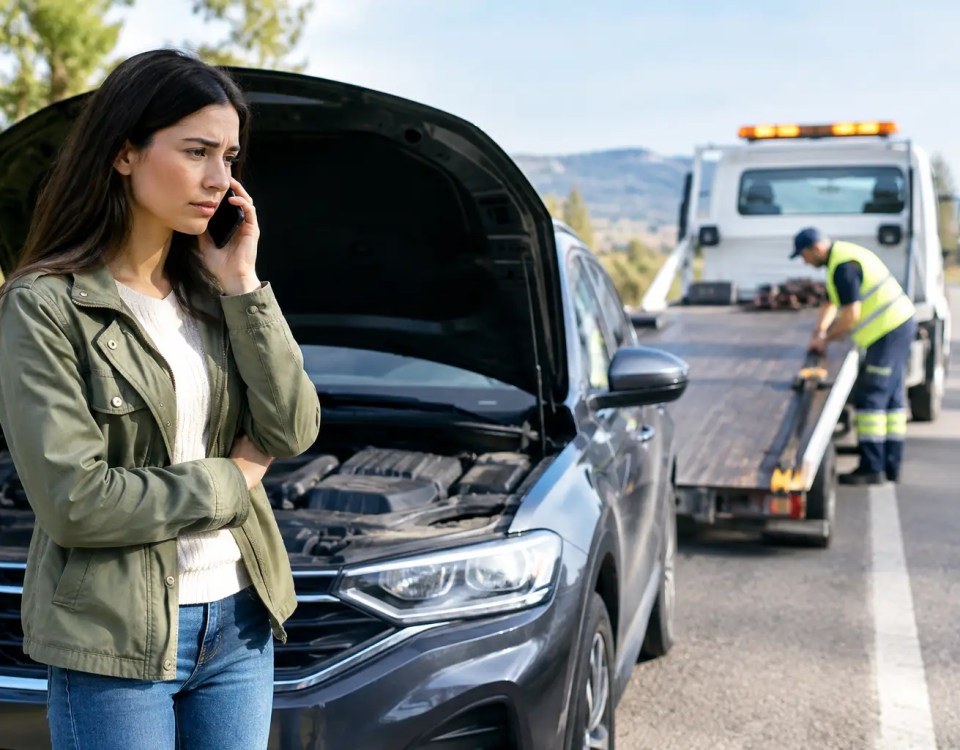
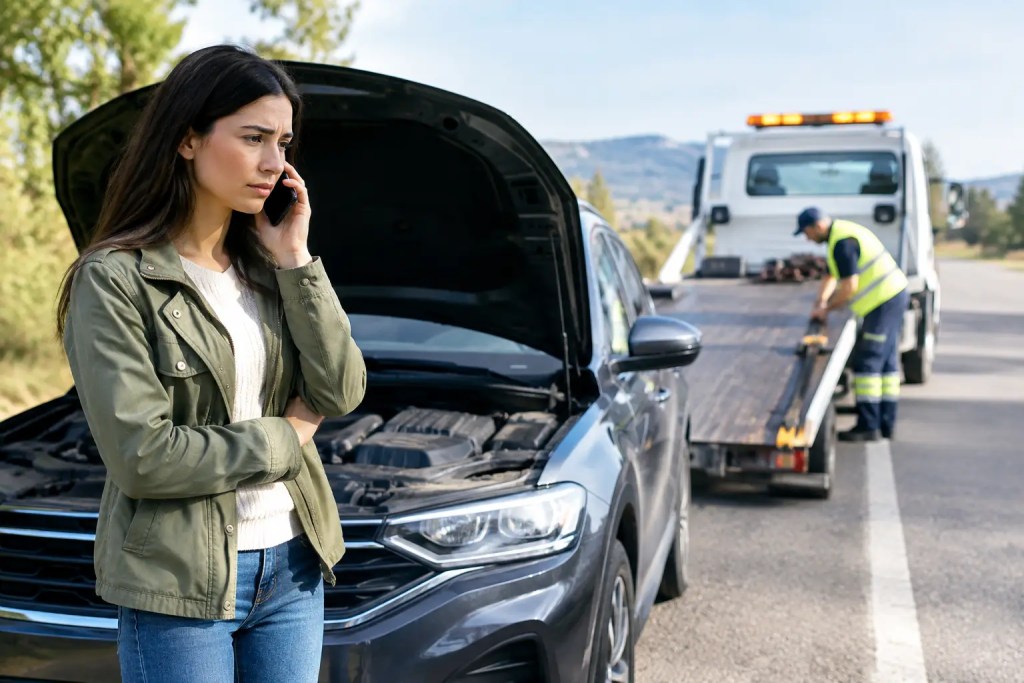
A dead battery on a busy road feels longer than it is. When you call for help, towing arrival times become the only number that matters: How long until someone gets here? The honest answer depends on where you are, what is happening on the road, and the type of help your vehicle needs.
A dependable towing company should give you a realistic estimate, keep you updated if conditions change, and send the right equipment for the job. A fast promise means little if the truck arrives without the tools needed to move your vehicle safely.
What Affects Towing Arrival Times?
There is no single wait time that fits every call. A tow truck may be nearby and available within minutes, or it may be finishing a recovery job across town. Clear communication makes the difference between an estimate that helps and one that leaves you guessing.
Your Exact Location
Your location affects dispatch time more than most drivers realize. A vehicle on a main road in Tampa, near a major intersection or highway exit, is usually easier to reach than one parked behind an apartment complex, down an unmarked private road, or stranded in a remote area.
Give the dispatcher more than a street name. Share the nearest cross street, a business name, mile marker, highway direction, parking lot section, or a clear landmark. If you are on the interstate, say whether you are traveling north, south, east, or west. A truck on the opposite side of the highway may need several extra minutes to reach you safely.
Traffic, Weather, and Road Conditions
Traffic does not just slow down the tow truck. It can also make a roadside stop more difficult and less safe. Rush hour, construction zones, sporting events, crashes, and blocked lanes can all extend an estimated arrival window.
Florida weather creates another common delay. Heavy rain reduces visibility, floods low areas, and can cause multiple breakdown and accident calls at once. During a storm, dispatchers may need to prioritize hazardous locations, active collisions, or vehicles blocking traffic. That is not an excuse for poor communication. It is a reason a realistic ETA matters more than an overly optimistic one.
The Type of Service You Need
Not every roadside call requires the same truck or equipment. A jump start or lockout may be handled by a roadside technician, while a disabled SUV, an accident-damaged car, or a vehicle stuck in mud may require a tow truck, wheel-lift, flatbed, winch, or recovery setup.
The more specific you are about the problem, the better the dispatcher can match the response. Tell them if the vehicle is in a garage, has a flat tire, will not roll, has been in an accident, is lowered, has all-wheel drive, or is carrying equipment. A few details up front can prevent the wrong truck from arriving and creating a second wait.
Call Volume and Available Trucks
Tow companies do not operate with unlimited trucks sitting idle in every neighborhood. Demand can increase quickly after a rainstorm, during commute hours, on weekends, or after a major accident. If several calls come in at once, the dispatcher has to assign trucks based on location, equipment, and safety priority.
A company that is upfront about availability is doing you a favor. A clear 45-minute estimate is more useful than being told “soon” with no explanation. Ask whether the truck has been dispatched, whether it is coming directly to you, and whether the estimated time could change because of active calls or traffic.
How to Get a More Accurate Towing Arrival Time
The fastest way to receive help is to make the dispatch process easy. Before calling, pull together the information the driver will need. You do not need a long explanation. You need accurate facts.
Have your vehicle make, model, color, and license plate available. State the service needed, such as towing, jump start, tire change, lockout, or recovery. Then provide your precise location and a phone number that can receive calls or texts. If the vehicle is in an unsafe spot, say so immediately.
It also helps to explain the vehicle’s condition. “It will not start” is useful. “It will not start, the steering is locked, and it is parked nose-first in a tight garage” is much better. The latter tells the dispatcher that maneuvering and equipment may matter.
Do not estimate your location if you are unsure. Check your phone map, look for street signs, or identify a nearby business. If you have moved from the original breakdown location, let dispatch know right away. Sending a truck to an old location is one of the easiest ways to turn a short wait into a long one.
What to Do While You Wait for a Tow Truck
Your first job is not to watch the clock. It is to stay safe. If your vehicle can be moved without creating more danger, get it out of travel lanes and into a safe, visible place. Turn on your hazard lights. At night or in rain, use interior lights or a flashlight if doing so helps the driver locate you without putting you near traffic.
If you are stranded on a high-speed road, remain well away from moving traffic. In some situations, staying inside the vehicle with your seat belt on is safer. In others, especially if there is an immediate risk of being hit, fire, or flooding, moving to a protected area away from the roadway may be the better choice. Conditions matter. Use your judgment and contact emergency services first when there is an urgent safety threat.
Keep your phone charged if possible and keep the ringer on. A driver may call to confirm a turn, gate code, building entrance, or your exact position. If you are in a parking garage, apartment community, or gated lot, be ready to meet the driver at the entrance if access is restricted.
Avoid accepting help from an unverified vehicle or person who simply claims to be your tow operator. Ask for the company name and confirm the driver is assigned to your call. This is especially important after an accident, when unsolicited towing can create confusion and unexpected costs.
When a Delay Is More Than Just Bad Timing
Delays happen. Silence should not. If your original ETA has passed and you have not received an update, call the dispatch number and ask for the current status. Keep the conversation direct: confirm your location, ask whether a truck is assigned, and request the revised estimate.
There are reasonable causes for a delay, including a crash blocking access, a difficult recovery job, severe weather, or an emergency call requiring immediate attention. A professional provider should explain the situation plainly rather than leave you waiting with no information.
If your vehicle is in a hazardous location, your situation changes. Tell the dispatcher again that you are exposed to traffic, blocking a lane, or dealing with a medical or safety concern. If there is immediate danger, call 911. Towing service and emergency response have different roles, and the right call can protect you while the tow truck is en route.
Towing Arrival Times for Planned Pickup vs. Emergencies
An emergency roadside tow and a scheduled vehicle pickup work differently. When a car breaks down, the goal is to reach you as quickly and safely as possible. When you are selling a junk, damaged, non-running, or unwanted vehicle, pickup can often be arranged for a time that works around your day.
Scheduled pickup gives both sides more control. You can make sure the title or required paperwork is ready, remove personal belongings, and confirm that the truck can access the vehicle. If the car is blocked in, missing wheels, or parked on private property, mention that before scheduling. The right details prevent a wasted trip.
Titan Tow & Roadside LLC handles both urgent towing needs and straightforward vehicle pickup across the Tampa Bay area. The approach is simple: provide the location and vehicle details, receive clear communication, and know what happens next. No haggling. No confusion. No unnecessary runaround.
A Good ETA Is Honest, Not Just Fast
The best towing arrival times are not always the shortest number quoted on the phone. They are the estimates backed by proper dispatch, the right equipment, and updates when road conditions change. A truck that arrives prepared is better than a quick arrival followed by another delay.
When you need help, give clear location details, describe the vehicle honestly, and keep your phone close. Then focus on getting yourself to a safe place while the right truck makes its way to you.