How to Unlock Locked Car Safely Without Damage
August 28, 2026
Tow Truck St Petersburg: Fast Help When Stranded
September 1, 2026
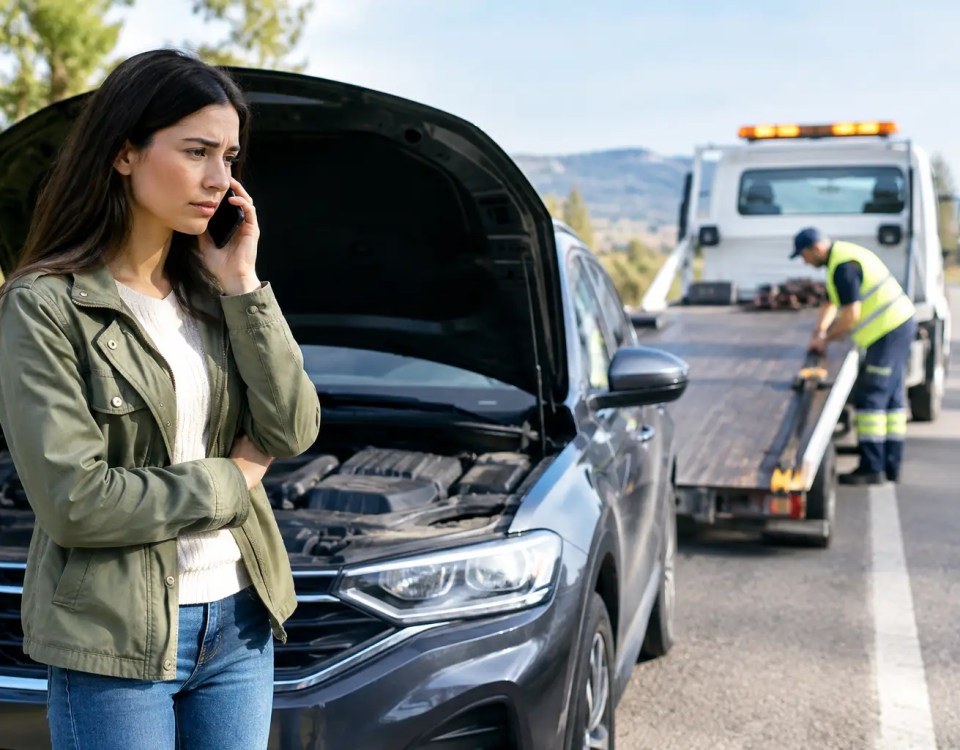
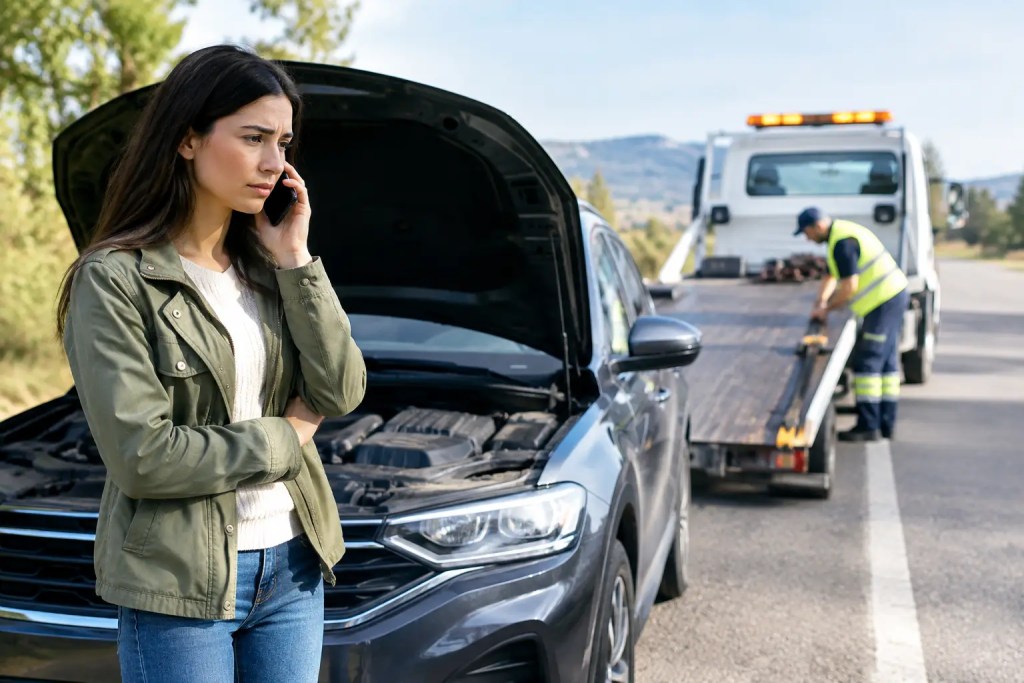
A crash can turn a normal drive into a stressful mess in seconds. This accident towing guide gives you a clear plan for protecting yourself, your vehicle, and your wallet when the car cannot be driven. The goal is simple: get out of danger, document what happened, and make sure your vehicle goes where you want it to go.
Accident Towing Guide: Start With Safety
Before you think about a tow truck, check for injuries. Call 911 right away if anyone is hurt, there is a fire, a fuel leak, a blocked roadway, or a vehicle is in a dangerous position. Do not try to move someone who may have a serious injury unless there is an immediate threat.
If everyone is safe and the vehicles can be moved, pull out of traffic when possible. Turn on your hazard lights. On a busy Tampa Bay roadway, staying in an active travel lane can create a second accident fast. If the vehicle will not move, get yourself and any passengers to a safer location away from traffic when it is safe to do so.
Take a breath before making calls. The first tow truck that appears is not always the tow truck you need.
Document the Scene Before the Vehicle Leaves
A tow truck can remove the evidence of how the crash happened. Take photos before the vehicle is loaded if conditions allow. Capture wide shots of the scene, the position of each vehicle, road conditions, traffic signs, skid marks, debris, license plates, and close-ups of damage.
Exchange insurance and contact information with the other driver. Write down the make, model, and color of the vehicles involved. If there are witnesses, ask for their names and phone numbers. Their account may matter later if the facts are disputed.
If law enforcement responds, ask how to obtain the crash report or report number. Do not argue about fault at the roadside. Stick to the facts when speaking with officers, the other driver, and your insurance company. A calm, accurate record is more useful than a rushed explanation.
Decide Whether the Car Needs a Tow
Not every collision requires towing, but visible damage does not tell the whole story. A vehicle might look drivable while having a damaged radiator, leaking fluid, bent steering component, compromised suspension, deployed airbag, or tire rubbing against damaged bodywork.
Do not drive the vehicle if you see fluid leaking, smell fuel or burning, have steering or braking problems, notice a damaged wheel, or receive serious warning lights. You should also avoid driving after airbag deployment or when the hood, trunk, bumper, or other parts could come loose.
If there is any doubt, tow it. A short drive after a crash can turn repairable damage into a much larger repair bill. It can also put you and other drivers at risk.
Know Who Is Authorizing the Tow
In some situations, law enforcement or a property owner may arrange a tow, especially when a vehicle is blocking traffic, disabled on a highway, or parked on private property. Ask the officer or dispatcher where the vehicle is being taken and whether you can choose the destination.
If you are arranging the tow yourself, you have more control. You can send the vehicle to your home, a repair shop, a dealership, or another location that makes sense for your next step. If you have a trusted repair shop, confirm that it can receive the vehicle before authorizing the tow.
Be cautious with unsolicited tow operators. After an accident, some drivers are approached by tow trucks they did not call. A legitimate operator should clearly identify the company, explain the destination, provide pricing information, and give you paperwork. Do not sign a blank form or a document you do not understand.
Ask These Questions Before Loading the Vehicle
Towing is not a time for vague answers. Get the basics in writing or on the service ticket before your vehicle leaves. You need to know the tow destination, the estimated towing charge, storage fees if any, and the company name, phone number, and lot address.
Also ask whether the price includes loading, mileage, after-hours service, recovery work, or special equipment. A vehicle in a ditch, parking garage, median, or difficult position may require more than a standard tow. That does not automatically mean the charge is unreasonable, but it should be explained before the work begins whenever circumstances allow.
Keep every receipt, authorization form, and photo of the truck and vehicle. These records help with insurance claims and make it easier to locate the car if you need to retrieve personal items later.
Choose the Right Towing Method
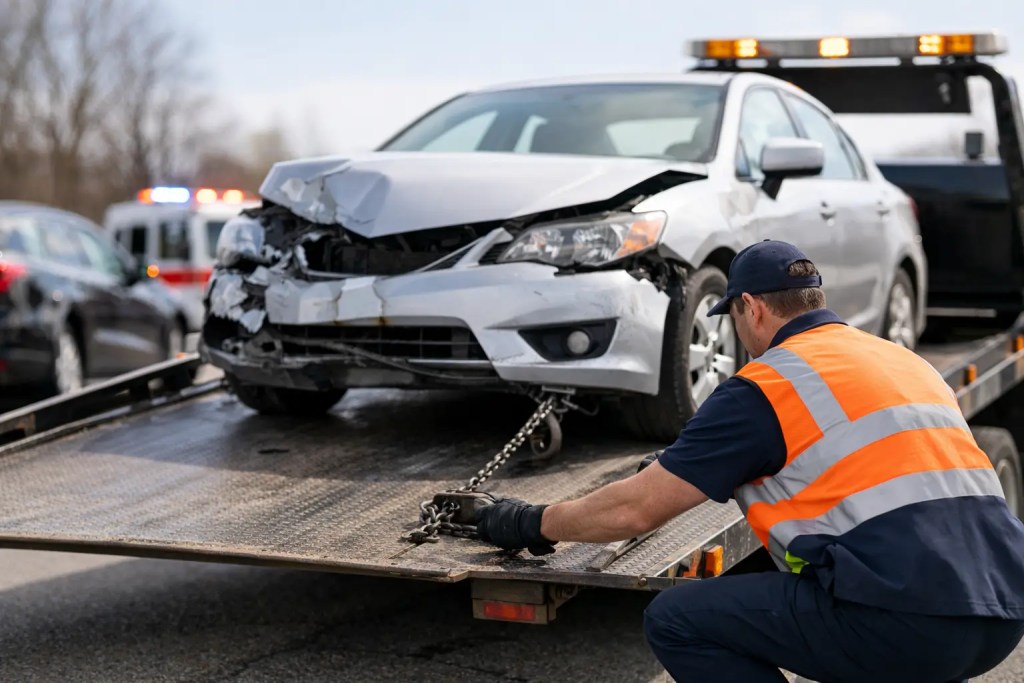
The right equipment matters after a collision. Flatbed towing is often the safest option for damaged vehicles because all four wheels ride off the ground. It is especially useful when a wheel, axle, suspension, steering system, or drivetrain may be damaged.
All-wheel-drive, four-wheel-drive, electric, and many luxury vehicles may have specific towing requirements. Towing them incorrectly can cause drivetrain damage that was not part of the accident. Tell the operator the vehicle’s make, model, drivetrain, and whether it is electric or hybrid before dispatch.
A professional tow operator will assess the vehicle rather than forcing it into a one-size-fits-all setup. If the car cannot roll, has locked wheels, or is heavily damaged, recovery equipment may be needed. That is another reason to avoid trying to solve a serious crash with a friend, a rope, or a borrowed trailer.
Protect Your Belongings and Personal Information
Before the tow begins, remove valuables if it is safe to do so. Take your wallet, keys, medications, work equipment, garage opener, toll transponder, and personal documents. Check the glove box, center console, trunk, and cargo area.
Do not leave your registration or insurance card sitting in plain view if you can avoid it. You will need insurance information for the claim, but you do not need to leave extra personal data in an unattended vehicle.
If you cannot access your belongings because of damage or safety concerns, photograph the interior and tell the towing company. Ask how and when you can retrieve property from the vehicle or storage lot. Get the instructions before you leave the scene.
Call Your Insurance Company, But Do Not Wait for Help
Notify your insurance company as soon as you can. They can explain your roadside, towing, rental, collision, or comprehensive coverage. They may also direct you to a preferred repair network. Still, do not wait in an unsafe location for a long time just to get every claim detail sorted out.
Your immediate job is safety and securing the vehicle. Your insurance company can usually handle claim decisions after the vehicle is off the road. Be clear about where the car was taken, who towed it, and whether it is accruing daily storage charges.
Coverage varies. Some policies pay for towing but limit the distance. Others may reimburse only up to a set amount. Ask what documentation is needed so you do not lose time hunting down receipts later.
Avoid Storage Fees That Keep Growing
A vehicle taken to an impound or storage yard can begin accumulating charges quickly. Contact your insurer and repair shop promptly. Find out whether the car should be moved to a shop, inspected where it is, or released to an insurance adjuster.
Do not assume the vehicle will stay at a lot for free while the claim is reviewed. Get the storage rate and ask whether there are release procedures, identification requirements, or limited pickup hours. If the vehicle is declared a total loss, ask your insurer what happens next and when you should remove personal belongings and license plates.
If repair costs are more than the vehicle is worth, selling a damaged or non-running vehicle for cash may be a practical next step once ownership and insurance matters are settled. The right choice depends on the car’s value, the damage, and your coverage.
Get Fast, Clear Towing Help in Tampa Bay
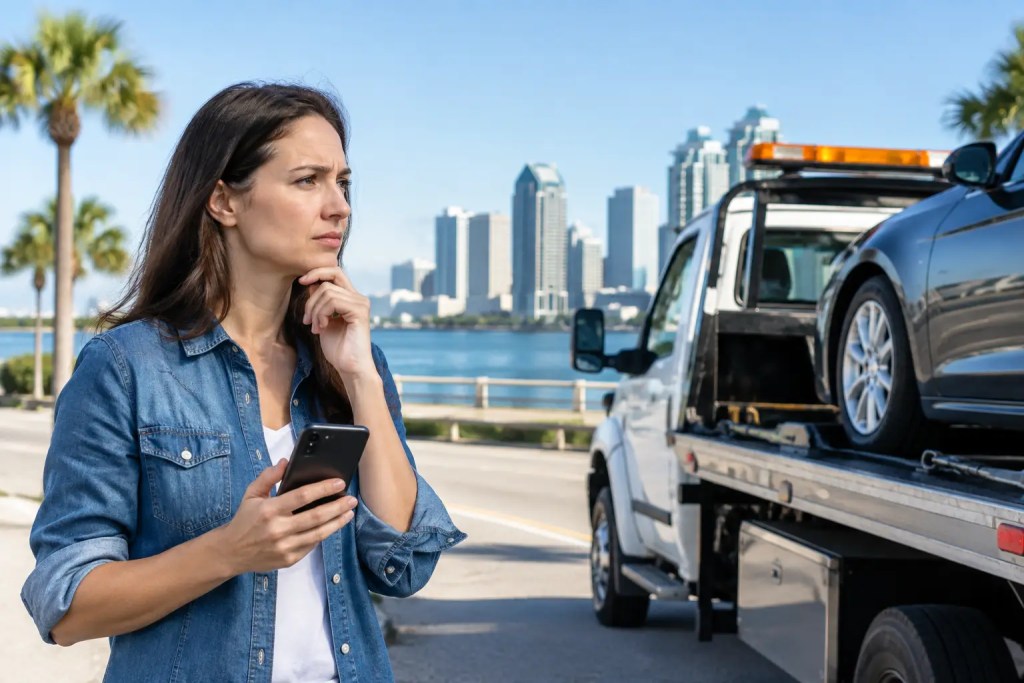
After an accident, you need straight answers, not pressure. Titan Tow & Roadside can provide professional accident towing and roadside help throughout the Tampa Bay area, with clear communication from pickup to drop-off. Tell the dispatcher where you are, what happened, whether the vehicle can roll, and where you want it taken.
A few accurate details help send the right truck and equipment the first time. If the car is in a dangerous location, say so. If it is an electric vehicle, all-wheel drive, or has wheel damage, say that too. Fast service starts with clear information.
The best move after a crash is usually the simplest one: get safe, keep your records, and use a towing company that tells you exactly what happens next.
Need help with this today? We serve St. Petersburg, Tampa, Clearwater, Largo, Safety Harbor and Palm Harbor — 24/7.