Where to Sell Non Running Vehicles Fast
June 15, 2026
How to Get Cash for Junk Cars Fast
June 17, 2026
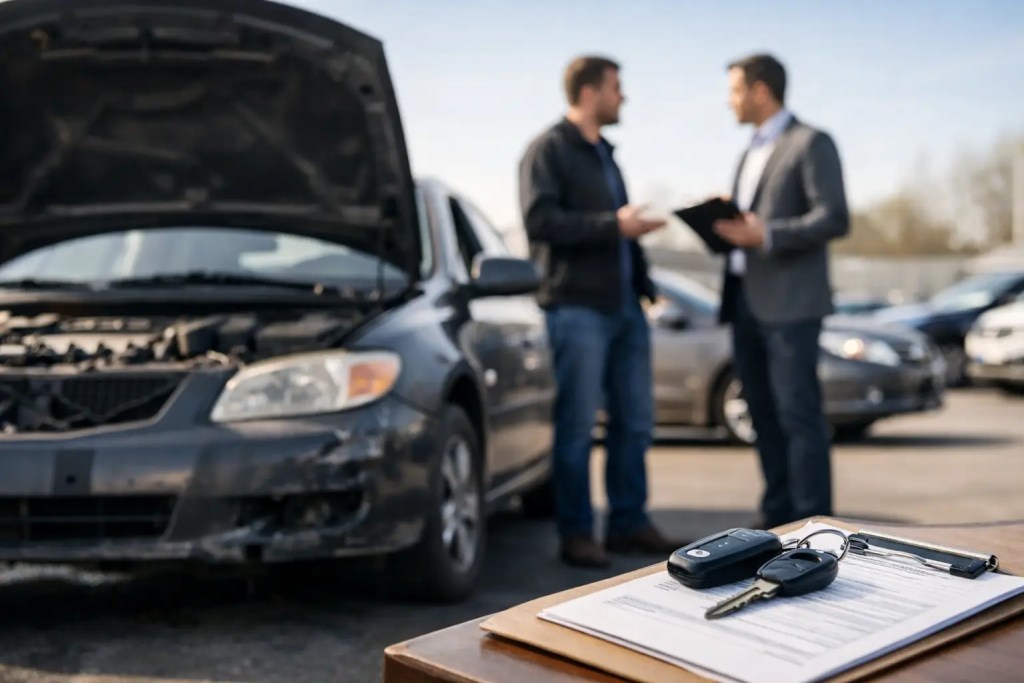
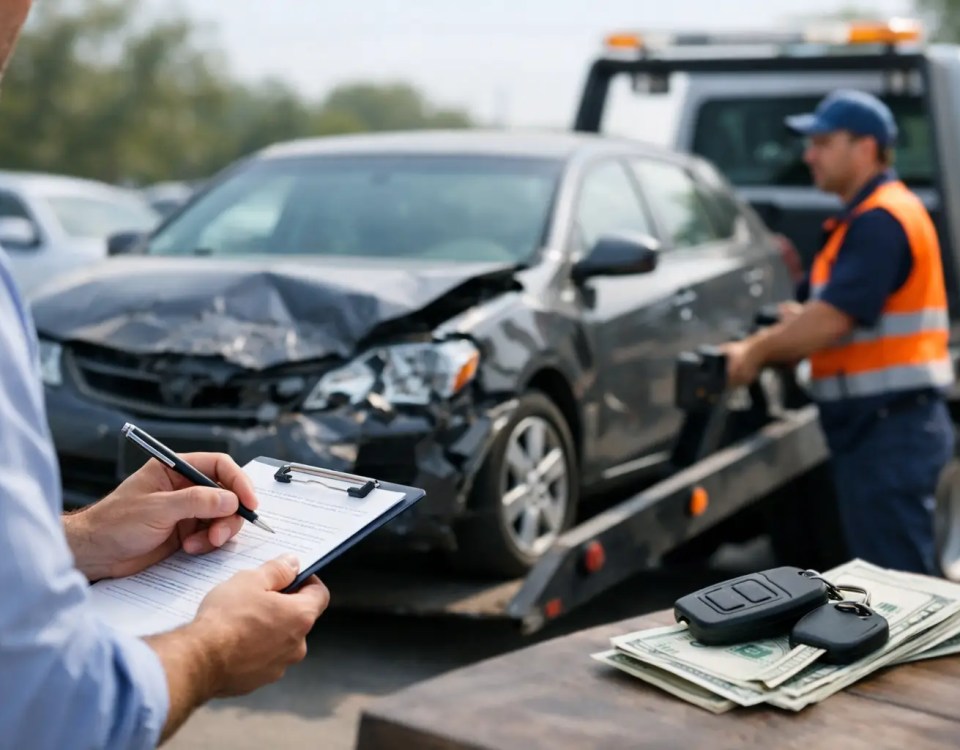
A car that will not start can turn into a headache fast. It sits in the driveway, takes up space, and keeps costing you money in registration, storage, or towing worries. If you are asking, can I sell a non running car, the short answer is yes. You can – and in many cases, it is easier than trying to fix it first.
The real question is not whether you can sell it. The real question is who will buy it, what it is worth, and how to avoid wasting time with people who disappear, lowball you, or expect you to deliver a car that does not even run.
Can I Sell a Non-Running Car Without Fixing It?
Yes. You do not need to repair a non-running vehicle before selling it. Buyers purchase cars that do not start for different reasons. Some want parts. Some rebuild vehicles. Some scrap them. Some buy them because even a damaged or dead car still has value in the engine, transmission, catalytic converter, wheels, body panels, or title.
That said, not every buyer wants the same kind of vehicle. A private buyer may only be interested if the car is a popular model and the repair is minor. A dealership usually has little interest unless the vehicle is fairly new and worth reconditioning. A local cash-for-cars buyer is often the most practical fit because they are set up to handle towing, paperwork, and vehicles in rough shape.
If the repair cost is high, selling as-is often makes more sense than sinking more money into a car you already want gone. A dead battery is one thing. A blown engine, bad transmission, flood damage, or major electrical problem is another.
What Affects the Value of a Non-Running Car?
A non-running car still has value, but the offer depends on more than the fact that it does not start. Condition matters, and so does what kind of problem the car has.
The make, model, year, mileage, and overall condition all play a role. If the body is clean, the interior is decent, and the vehicle is complete, that usually helps. If it has heavy accident damage, missing parts, or severe rust, the value tends to drop.
The reason it is not running also matters. A car with a bad starter or fuel pump may be worth more than one with a seized engine or major frame damage. Buyers also look at whether the vehicle can roll, steer, and brake. That affects how easy it is to load and transport.
Title status is another major factor. A clean title is usually best. Salvage titles, rebuilt titles, or missing titles can still work in some situations, but they may reduce the offer or require extra steps.
Finally, market demand matters. Some vehicles hold parts value better than others. A common truck, SUV, or Honda or Toyota sedan may attract more interest than a less popular model with limited resale potential.
Who Buys Non-Running Cars?
You have a few options, and each comes with trade-offs.
A private sale can sometimes bring in more money, but it usually takes longer. You will need to post the car, answer messages, explain the problem over and over, and deal with people who say they are coming and never show. For a non-running vehicle, that process gets old fast.
A dealership is usually not the best route unless the car is newer and still has enough value to justify repairs. Most dealers do not want to deal with a disabled car, especially one that needs to be towed.
Scrapyards and junk car buyers are a fast option, especially for vehicles with major mechanical damage or high mileage. The downside is that some only pay based on scrap weight, which can leave money on the table if your car has reusable parts or stronger resale value.
A local vehicle buyer that handles non-running cars is often the middle ground. You get speed, pickup, and a real offer based on the full vehicle rather than just scrap metal.
How to Sell a Non-Running Car Fast
If you want the process to move quickly, preparation helps. You do not need to make the car look perfect, but you do want to have the basics ready.
Start with the vehicle information. Have the year, make, model, mileage, VIN, and a clear description of the problem. If you know why it stopped running, say so. If you do not know, be honest. Saying “it cranks but will not start” is more useful than guessing at a major repair.
Next, gather your paperwork. The title is the big one. If you still owe money on the car, that changes the process. If the title is missing, ask the buyer what is needed before pickup.
Then look at the car as a whole. Mention body damage, missing parts, flat tires, accident history, or anything else that affects condition. Accurate information leads to a more accurate offer and fewer surprises at pickup.
Good photos help too, even for a car that does not run. Show the front, back, sides, interior, and any major damage. If the buyer is local, they may still confirm in person, but photos save time on both sides.
Can I Sell a Non-Running Car With No Title?
Sometimes, but it depends on the vehicle, the buyer, and Florida rules. In general, having a title makes everything easier. It proves ownership and keeps the sale clean.
If you do not have the title, do not assume the car is unsellable. Some buyers can still work with older vehicles or guide you through replacing the title before pickup. But expect limits. A missing title can lower your options and slow the process.
If there is a lien on the car, you also need to deal with that before ownership can transfer properly. That does not always kill the sale, but it does mean more paperwork and less room for a same-day transaction.
The best move is simple: be upfront right away. If the title is missing, lost, or tied up with a lender, say it early so you do not waste time.
Should You Fix It Before Selling?
Sometimes yes. Often no.
If the problem is cheap and obvious, like a weak battery, replacing it could help you get a stronger offer or make the car easier to move. But large repairs are usually a gamble. Spending thousands on an engine, transmission, or electrical diagnosis does not guarantee you will get that money back.
This is where people get stuck. They think, “If I just fix this one issue, I can sell it for more.” Then one issue becomes three, and the car still is not worth enough to justify the bill.
If your goal is speed, convenience, and getting rid of a problem vehicle, selling as-is is usually the better move. No repair shop delays. No surprise invoices. No waiting.
What to Expect From the Selling Process
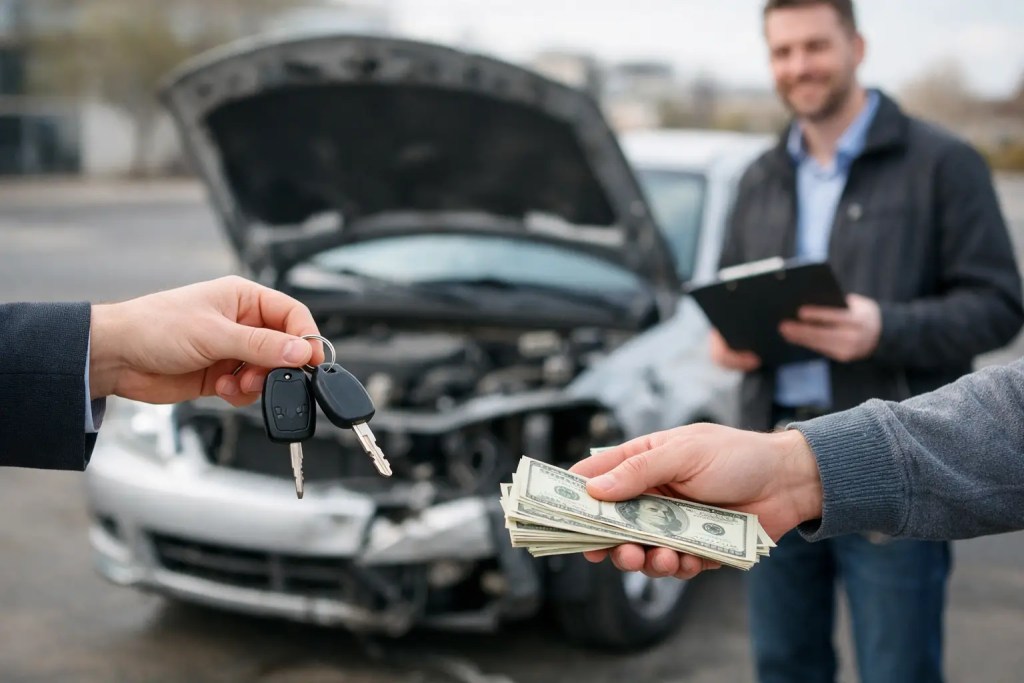
A straightforward buyer should make this easy. You provide the vehicle details, get an offer, schedule pickup, sign over the paperwork, and get paid. That is how it should work.
Watch for red flags. If a buyer will not explain how pickup works, changes the price at the last minute for no clear reason, or expects you to handle towing, move on. A non-running car sale should not become another problem to manage.
For sellers in Tampa Bay, this matters even more when the vehicle is stranded at home, in a parking lot, or at a shop that wants it gone. Fast pickup is not just a convenience. Sometimes it is the difference between solving the problem today or dragging it into next week.
A company like Titan Tow & Roadside fits that need because the process is built around disabled vehicles, quick pickup, and clear communication.
The Bottom Line on Selling a Non-Running Car
If your car will not start, you are not stuck with it. Non-running vehicles sell every day, and many owners are better off selling as-is than paying for repairs they may never recover. The key is finding a buyer who knows how to handle a car that does not run, can tow it without making you jump through hoops, and gives you a fair offer based on the real condition.
If the car is taking up space and costing you time, waiting usually does not improve the situation. Get the details together, be honest about the condition, and choose the fastest clean way to move on from it.