Repair or Sell Car? Make the Smart Call Fast
July 25, 2026
How to Sell Car With Engine Failure Fast
July 29, 2026
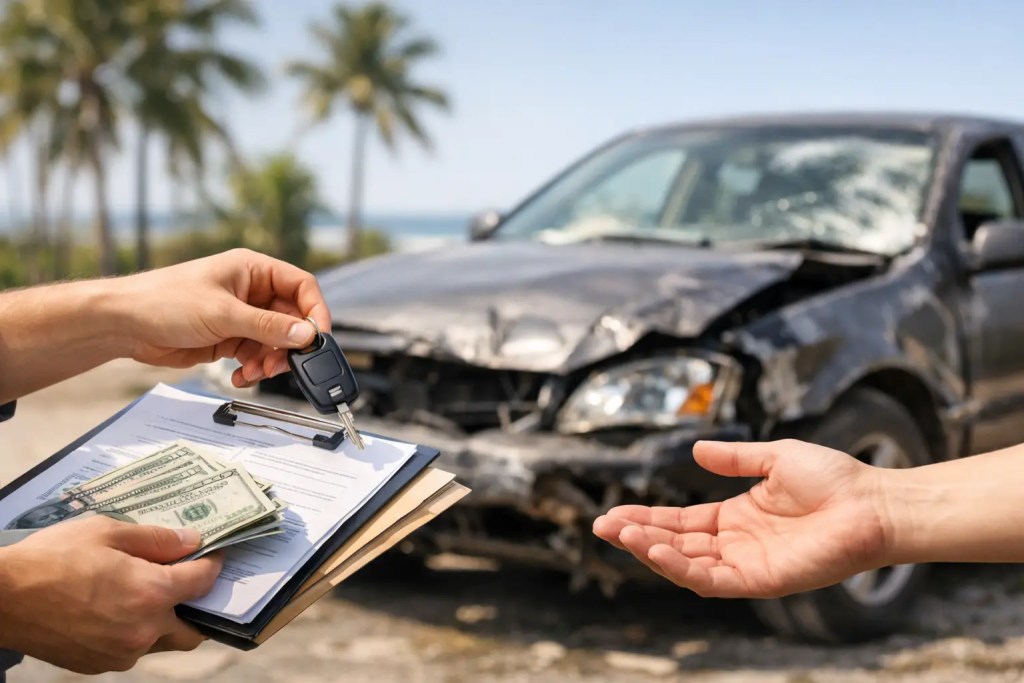
A dead car in the driveway is already taking up enough of your time. Do not let paperwork turn a quick sale into a delay. If you are asking, “what documents sell junk car owners need to have ready?” the short answer is usually a valid vehicle title and a government-issued photo ID. The exact requirement can change based on the vehicle’s age, title status, and condition, but having the right information ready makes pickup and payment much faster.
For Tampa Bay vehicle owners, the goal is simple: prove you can legally sell the vehicle, complete the transfer correctly, and get the car out of your way. No dealership runaround. No guessing at the curb.
What documents sell a junk car?
The vehicle title is the main document needed to sell a junk car in Florida. It establishes legal ownership and gives the buyer the information needed to transfer, dismantle, salvage, or resell the vehicle through the proper channels.
You will also generally need a current, valid government-issued photo ID. Your name on the ID should match the name shown on the title. If it does not match because of a marriage, divorce, name change, or another reason, have the supporting paperwork available before scheduling pickup. A mismatch is not always a deal-breaker, but it needs to be explained and handled correctly.
Keep the vehicle details handy as well. The VIN, year, make, model, mileage, license plate number, and current location help a buyer confirm the offer and send the right tow truck. A clear description matters. Let the buyer know if the car does not run, has collision damage, is missing wheels, has flood damage, or is blocked in a garage or yard.
The title: the document that matters most
A clean, readable Florida title makes selling a junk vehicle much easier. Before you call for an offer, pull it out and check a few basic details. Make sure your name is listed as the owner, the VIN matches the vehicle, and there are no obvious alterations, cross-outs, or missing sections.
If more than one owner is listed, pay attention to how the names appear. When a title uses “and” between owners, both parties may need to sign. When it uses “or,” one owner may be able to sign, depending on the title and transaction. Do not assume. Ask the buyer what is required before the truck arrives.
Do not sign the title early or fill in sections you do not understand. Incorrect entries can create problems, especially if the title has been signed in the wrong place or a buyer’s information was entered and the sale did not go through. A dependable vehicle buyer can tell you where signatures are needed when the transaction is ready to be completed.
Paper title or electronic title
Many Florida titles are electronic. If you do not have a paper title in hand, that does not automatically mean you cannot sell your junk car. It does mean you need to confirm the title status before pickup.
A licensed buyer may have a process for electronic title transfers, while other situations may require you to request a paper title first. Do this before you promise a same-day sale. A quick call to confirm whether your title is paper or electronic can save a wasted trip and a frustrating delay.
Lost title? Get the facts before you schedule pickup
A lost title is one of the most common reasons a junk car sale stalls. If you are the legal owner, you may be able to apply for a replacement title through the State of Florida. The process and timing vary, so do not wait until the tow truck is already on the way to mention it.
Some buyers can purchase certain vehicles without a title under limited circumstances or through specific state-compliant procedures. That is not a blanket rule, and it is not available for every vehicle. The car’s age, value, VIN status, and the buyer’s licensing all matter. Be upfront about the missing title and ask what documentation is accepted for your specific vehicle.
If there is a loan or lien on the vehicle
You cannot simply sell a vehicle as junk if a lender still has a legal claim to it. A lienholder listed on the title must be satisfied before ownership can be transferred cleanly. That often means paying off the balance and obtaining a lien release or receiving an updated title that no longer shows the lien.
Even if the vehicle has no engine, no transmission, or major body damage, the lien does not disappear. Call the lender, verify the payoff amount, and ask what document they will provide once the loan is closed. Bring that information to the buyer before agreeing to a final sale.
This is also true when you paid off the loan years ago but the title still shows the lender. Do not assume the record has updated on its own. A lien release may be needed to avoid problems at pickup.
Other paperwork that can help the sale go faster
You normally do not need a stack of maintenance records to sell a junk car. A blown motor does not become more valuable because you kept every oil-change receipt. Still, a few documents can make the process cleaner when there are unusual circumstances.
Have these available if they apply to your situation:
- A lien release if a loan was previously paid off but still appears on the title.
- Estate paperwork, letters of administration, or other authority documents if the registered owner has passed away.
- Proof of a legal name change when your photo ID and title do not match.
- A bill of sale or previous purchase paperwork if the buyer asks for additional ownership history.
- Registration information, especially if you need to verify the plate number or vehicle details.
These documents do not replace a title in most cases. They support the ownership record and help resolve questions before they slow down the transaction.
What to do with your license plate and insurance
Your license plate stays with you, not with the junk car buyer. Remove it before the vehicle is picked up. In Florida, you may need to surrender the plate or transfer it to another vehicle, depending on your situation. Do not leave it attached to a car that is being towed away.
Once the sale is complete and the vehicle is no longer yours, contact your insurance company to cancel or update the policy. Do not cancel coverage before the sale if the vehicle is still registered and sitting on your property, unless your insurer advises otherwise. The right timing depends on your registration and coverage situation.
You should also keep copies or photos of the signed title paperwork and any bill of sale or receipt you receive. Record the sale date, buyer name, vehicle VIN, and final payment amount. It takes only a few minutes and gives you a clear record that the vehicle left your ownership.
Be honest about the vehicle’s condition
Paperwork gets the deal started, but accurate vehicle information keeps the offer fair. Tell the buyer whether the engine starts, whether the keys are available, and whether the tires hold air. Mention major missing parts and disclose accident, fire, or flood damage.
This is not about talking down your car. It is about avoiding a surprise at pickup. A non-running sedan parked in an open driveway is different from a stripped vehicle with no wheels behind a locked gate. Both may be sellable, but the towing equipment, labor, and offer can be different.
Photos can help when the vehicle has heavy damage. Send clear shots of the front, rear, sides, interior, VIN area if accessible, and any major damage. Honest details help the buyer quote the job correctly the first time.
A quick check before you sell
Before requesting a cash offer, place your title, photo ID, keys, and lien release if needed in one spot. Confirm that every required owner can be present or has completed the required paperwork. Remove personal belongings from the glove box, trunk, center console, under the seats, and spare-tire compartment.
Then verify that the vehicle is accessible for pickup. If it is in a parking garage, gated community, apartment complex, or narrow side yard, say so upfront. Fast pickup depends on having the right truck and a clear plan to reach the car.
Titan Tow & Roadside helps Tampa Bay owners move unwanted, damaged, and non-running vehicles without the usual hassle. Have your ownership documents ready, describe the vehicle honestly, and ask any title questions before pickup. That puts you in the best position to turn a problem car into cash and get your space back.
Need help with this today? We serve St. Petersburg, Tampa, Clearwater, Largo, Safety Harbor and Palm Harbor — 24/7.