Same Day Car Pickup: Fast Cash, No Hassle
July 18, 2026
Who Buys Broken Down Cars? Your Best Options
July 20, 2026
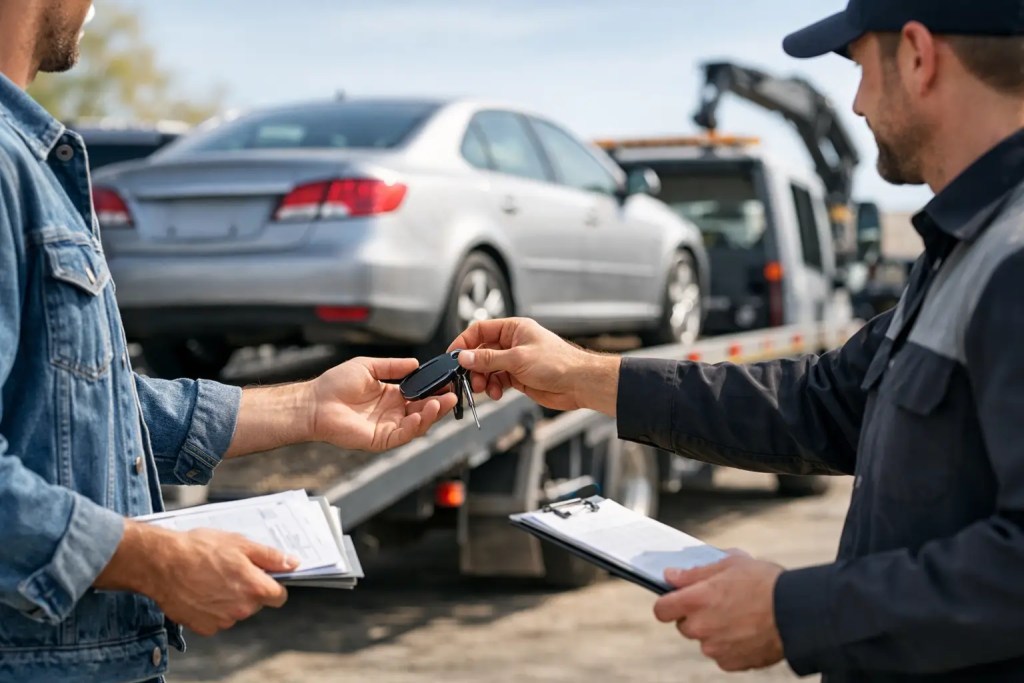
A car that will not start, costs more to fix than it is worth, or has been sitting in the driveway for months can become a bigger problem by the day. It takes up space, may leak fluids, and can leave you wondering how to dispose of car without creating a paperwork headache. The right answer depends on the vehicle’s condition, its value, and how quickly you need it gone.
You do not have to spend weeks listing a dead car online or pay a tow company just to move it. A clear plan can turn an unwanted vehicle into cash, a tax-deductible donation, or properly recycled materials. The key is choosing a legitimate option and completing the ownership transfer correctly.
How to Dispose of a Car Without Legal Problems
Before the vehicle leaves your property, make sure you have the documents and personal items under control. Even a junk car has an owner, a VIN, and a title history. Skipping the basics can expose you to parking tickets, towing charges, or other issues after someone else takes possession.
Start by removing everything from the car. Check the glove box, center console, trunk, seat pockets, door compartments, and under the seats. People often leave toll passes, registration paperwork, garage remotes, spare keys, work equipment, and personal documents behind.
Then gather the title and any documents you have for the vehicle. In Florida, a valid title is generally the cleanest way to sell, donate, or recycle a car. If the title is lost, damaged, or still has a lien listed, deal with that before handing the car over when possible. A legitimate buyer or recycler should explain what documentation they need instead of telling you paperwork does not matter.
Keep records of the transaction. Write down the date, buyer’s name and business information, vehicle identification number, sale price if applicable, and a description of the vehicle. A signed bill of sale is smart even when the car has little value. Take photos of the vehicle at pickup, including the VIN and odometer if it is readable.
Florida license plates normally stay with the owner rather than the vehicle. Remove your plate before pickup unless a specific transaction requires otherwise. If you will not transfer the plate to another vehicle, confirm the proper surrender or cancellation steps with your local tax collector’s office. Rules can change, and handling the plate correctly helps prevent insurance and registration trouble.
Choose the Best Way to Dispose of Your Car
There is no one best option for every vehicle. A clean, running car with a reasonable market value may earn more through a private sale. A wrecked, non-running, flood-damaged, or high-mileage vehicle is often better sold directly to a car buyer or recycler that offers pickup.
Sell it privately if it still has real value
A private sale can bring the highest price when the car runs well, has a clean title, and needs only minor work. This route takes time. You will need photos, a fair asking price, messages with potential buyers, test drives, and a safe place to meet. You also need to be ready for people who negotiate hard or never show up.
Private sale is usually not the best fit for a vehicle with major engine, transmission, electrical, or body damage. Buyers may make low offers after inspecting it, and towing a non-running car for test drives is not practical.
Trade it in if you are replacing it soon
A trade-in is convenient when you are already buying another vehicle. The dealer handles much of the transaction, and the old vehicle is off your hands quickly. The trade-off is price. Dealers often offer less than a direct buyer because they need room for repairs, auction costs, and resale profit.
For a car that is barely running or cannot be driven to the dealership, a trade-in may not be available at all. Ask for the value before you commit to a new purchase and compare it with a direct cash offer.
Donate it if supporting a cause matters most
Donation can make sense when your priority is helping a charitable organization rather than getting cash. Confirm that the organization accepts the vehicle in its current condition and ask how pickup works. Keep all donation paperwork, including the receipt and any required tax documentation.
Do not assume every donated vehicle produces a large tax deduction. The tax treatment can depend on the vehicle’s value, how the organization uses it, and your individual tax situation. If the deduction is the main reason for donating, speak with a qualified tax professional first.
Sell it for cash when it is damaged or unwanted
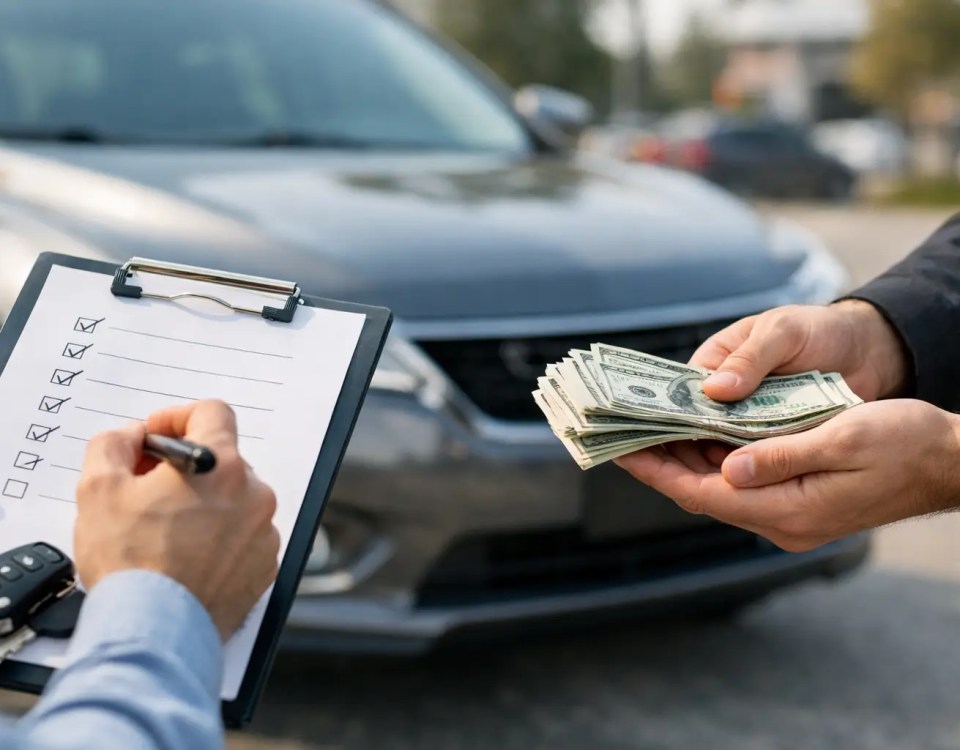
For many Tampa Bay owners, the fastest route is selling directly to a reputable vehicle buyer that takes damaged, junk, wrecked, non-running, or high-mileage cars. You provide the basic vehicle details, receive an offer, accept if it works for you, and schedule pickup. No online listings. No stranger test drives. No paying to tow a car that cannot move.
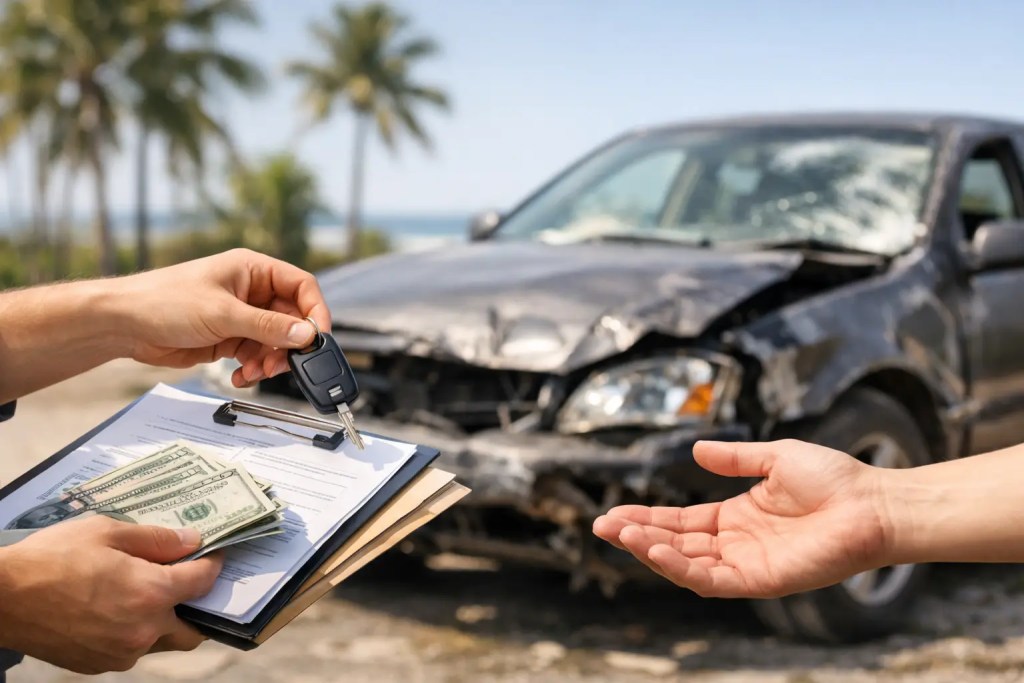
This option is especially practical after a breakdown, accident, failed inspection, or repair estimate that does not make financial sense. Titan Tow & Roadside LLC buys unwanted vehicles and can arrange free pickup, so you can clear the driveway and get paid without adding another errand to your day.
Recycle it when repairs and resale are not realistic
Auto recycling is the right end-of-life choice for a vehicle that is too far gone to repair or resell. Reputable recyclers salvage usable parts and process metal, tires, batteries, oil, coolant, and other materials safely. That is far better than abandoning a car, dumping fluids, or letting it deteriorate on private property.
Be cautious with anyone who offers to take a vehicle with no questions asked. Verify that the business is real, get a receipt, and make sure the transfer of ownership is documented. A low-effort handoff can become expensive if the vehicle is later abandoned, towed, or used improperly.
Know What Your Car Is Worth Before You Say Yes
A non-running car is not automatically worthless. Its value can come from the year, make, model, mileage, condition, demand for parts, title status, and scrap-metal market. A newer vehicle with collision damage may be worth far more than an older car with a seized engine, even if neither one can be driven.
When requesting an offer, be straightforward about the condition. Mention major damage, mechanical failures, missing parts, flood exposure, airbags deployed, keys available, and whether the tires hold air. Accurate details lead to a more accurate quote and reduce the chance of a last-minute price change at pickup.
You should also ask whether the offer includes towing and whether payment is made at pickup. A fair offer that requires you to pay a separate tow bill may not be the best deal. Get the terms clear before you agree.
Avoid These Common Disposal Mistakes
Do not abandon a vehicle on a street, vacant lot, or apartment parking area. The car can be towed, and the registered owner may still be responsible for fees and penalties. Leaving it behind when moving is not disposal.
Do not sign a blank title or give the title to someone who will not provide identifying information. A title is a legal ownership document, not just a piece of paper needed at the scrapyard. Fill it out carefully and keep a copy or photo for your records.
Do not leave your license plate, registration, insurance card, toll transponder, or personal data in the car. Also remove your phone from the vehicle’s Bluetooth system and delete saved addresses, contacts, and garage codes from the infotainment system if applicable.
Finally, do not pour oil, coolant, gasoline, or battery acid down a drain or onto the ground. Those materials need proper handling. A legitimate recycler or vehicle buyer can help ensure the car is processed responsibly.
When Fast Pickup Is the Best Option
Fast pickup is usually the right call when the vehicle is blocking your driveway, sitting at a repair shop, stranded after a breakdown, or costing more in storage and repairs than it can reasonably return. It is also useful when you need to move quickly after an accident or before relocating.
Have the title, keys, vehicle location, and a clear description of the condition ready when you call. If the car is at a shop, storage lot, or apartment complex, confirm access requirements ahead of time. A little preparation prevents delays and helps the pickup go smoothly.
An unwanted car does not need to become a long-term burden. Choose a legitimate path, protect yourself with the right paperwork, and move it on while it still has value to someone else.
Need help with this today? We serve St. Petersburg, Tampa, Clearwater, Largo, Safety Harbor and Palm Harbor — 24/7.