When You Need a Towing Service Fast
June 30, 2026
What Is Salvage Value for a Car?
July 2, 2026

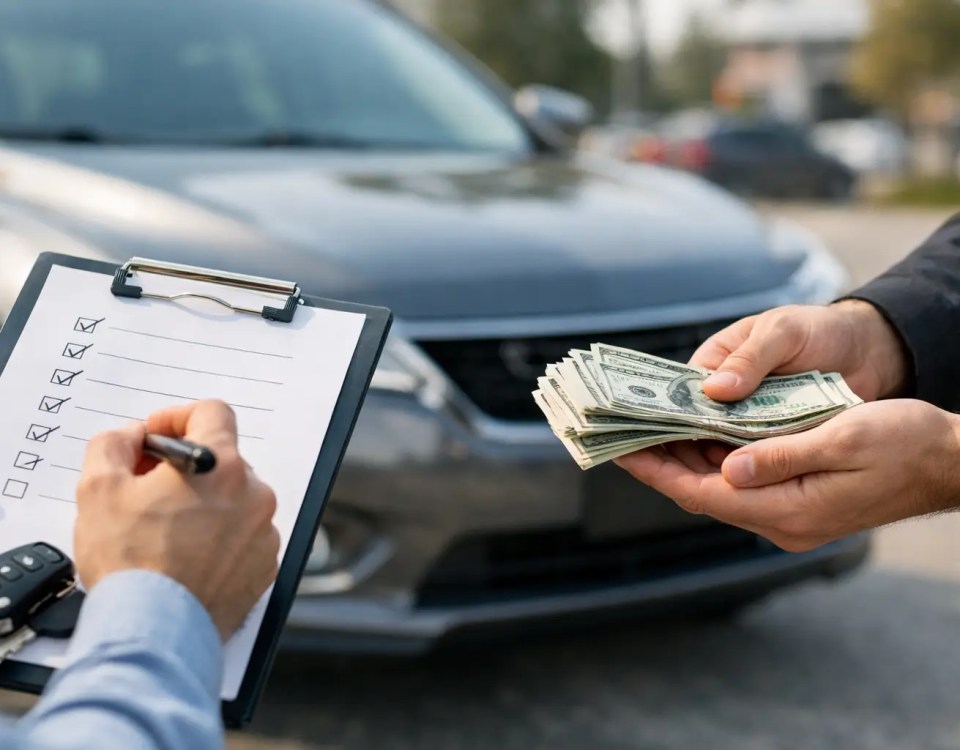
Selling a car should not turn into a paperwork mess. If you are wondering what paperwork to sell car quickly, the short answer is this: start with the title, have a valid ID ready, and gather any documents that prove the vehicle is yours and can be transferred legally. The exact stack depends on your situation, but missing one key item can slow everything down.
That matters even more when the car is damaged, not running, or just taking up space. When you are trying to get rid of an unwanted vehicle fast, you do not want surprises at pickup or payment. A little prep upfront keeps the sale clean, legal, and a lot easier.
What paperwork to sell car in most cases
For most private sales or quick cash-for-car transactions, the title is the main document that matters. It shows ownership and gives the buyer a legal path to transfer the vehicle into their name. If the title is in your name and free of major errors, you are already most of the way there.
You will also usually need a government-issued photo ID. Buyers want to confirm they are dealing with the actual owner, and that protects both sides. If the name on your ID does not match the name on the title because of marriage, divorce, or another legal change, you may need supporting documentation.
In many cases, it also helps to have the vehicle registration. Registration is not always the deciding document, but it can confirm the VIN, plate number, and owner details. That is useful if the title has wear, handwriting issues, or other small problems.
A bill of sale may also be part of the process. Some buyers require it. Some sellers use it for their own records. Even when it is not strictly required, it gives you a written record of the sale date, sale price, vehicle information, and the names of both parties.
The title is the big one
If you only focus on one document, make it the title. In Florida, that is the core ownership paper. Without it, selling your car gets harder. Not always impossible, but harder.
The title should be signed correctly. That sounds simple, but this is where many sales get delayed. If you sign in the wrong place, cross something out, or leave out required information, the buyer may not be able to complete the transfer without extra steps. If there are two owners listed on the title, the wording matters. If it says both owners must sign, both signatures are needed.
You should also check for a lien. If a lender is still attached to the title, you may need payoff documentation before the sale can be completed. Some buyers can work with that, but it usually adds time. If your goal is speed, clear title is best.
If the car still has a loan
You can still sell a financed vehicle, but there is more to coordinate. The lender technically has an interest in the car until the loan is paid off. That means you need the payoff amount and a plan to satisfy the balance.
If the amount you are selling the car for covers the loan, the process is fairly straightforward. If you owe more than the car is worth, you will need to pay the difference. Either way, do not assume you can just hand over the keys and sort it out later. The paperwork has to line up with the lender’s process.
This is one of those cases where speed depends on communication. Get the payoff amount first. Ask what documents the lender requires. Then make sure the buyer knows whether the title is available now or will be released after payoff.
What if you lost the title?
This is one of the most common problems. It also causes the most last-minute stress. If you lost the title, do not wait until a buyer is ready to pick up the car. Replace it first if possible.
A duplicate title is usually the cleanest solution. Once you have it, the sale gets much easier. Some buyers will still consider a vehicle without a title, especially if it is junk, heavily damaged, or headed for scrap, but the process depends on state rules and the buyer’s requirements. You should never assume missing title means no problem.
If you are in the Tampa Bay area and trying to sell a junk or non-running vehicle, ask the buyer exactly what they need before scheduling pickup. That one call can save you a wasted day.
Registration, plates, and cancellation details
The registration is often helpful, and in some cases expected, but it does not replace the title. Think of it as supporting paperwork, not the main ownership record.
License plates are a separate issue. In Florida, plates usually stay with the seller, not the vehicle. That means you generally remove them before the car is picked up or driven away. You may also need to cancel the registration or notify the state after the sale, depending on the circumstances.
This step gets overlooked all the time. Then tolls, tickets, or insurance issues show up later. Once the car is sold, make sure your responsibility for that vehicle is properly closed out.
Do you need a bill of sale?
A bill of sale is a smart move even when it is not mandatory. It creates a paper trail. If there is ever a dispute over when the car changed hands, the condition it was sold in, or the agreed price, you have backup.
Keep it simple and accurate. Include the year, make, model, VIN, sale amount, date, and both names. If the vehicle is being sold as-is, say that clearly. If the odometer reading is part of the sale record, make sure it matches what is disclosed elsewhere.
For straightforward deals, this document takes a few minutes and can prevent bigger headaches later.
Odometer disclosure and other forms
Some vehicle sales require an odometer disclosure. This is especially common for newer vehicles. The purpose is simple: confirm the mileage at the time of sale. If the reading is wrong, missing, or obviously inconsistent, it can create legal and title transfer issues.
There may also be state-specific forms depending on the vehicle type and condition. If the car was rebuilt, salvaged, inherited, or part of an estate, expect extra paperwork. The same goes for vehicles owned by a business instead of an individual.
That is where general advice stops being enough. The right paperwork depends on how the car is titled and whether anything unusual affects ownership.
Paperwork for junk, damaged, or non-running cars
People assume a junk car means less paperwork. Sometimes that is true. Sometimes it is not. A buyer may care less about service records or cosmetic details, but they still need to know they are buying from the legal owner.
For a damaged or non-running vehicle, the title is still the priority. After that, having registration, ID, and any lien release paperwork helps move the process along. If the vehicle has been sitting for years, double-check the VIN and owner name before arranging a sale. Old paperwork often has mistakes that nobody notices until pickup.
If the car is missing parts, has major body damage, or cannot roll, say so upfront. That is not title paperwork, but it matters operationally. Honest details help avoid delays, rescheduling, or price changes at pickup.
A few mistakes that slow down the sale
The most common issue is signing the title too early or in the wrong place. Wait until you are completing the sale and make sure the information is entered correctly. Another problem is name mismatch. If the title says one thing and your ID says another, get ready to explain it with legal documentation.
Open titles are another red flag. If the seller listed on the title never transferred it into their name, the sale can become a mess fast. The same goes for unresolved liens. Even if the car is old and barely running, paperwork problems still matter.
Finally, do not assume every buyer handles paperwork the same way. One company may require only the essentials. Another may want additional verification before paying cash and loading the vehicle.
The fastest way to get it done
If your goal is to sell the car fast, gather your title, ID, registration, and any lien or ownership documents before you ask for an offer. Take a clear look at the title and make sure it is readable, in your name, and ready to sign. If something is missing, fix that first instead of hoping it will work itself out later.
A good buyer will tell you exactly what they need and keep the process simple. No dealerships. No haggling. No hassle. But even the fastest sale still depends on having the right paperwork in place.
If you are not sure what documents apply to your situation, ask before pickup day. Five minutes of clarity can save hours of delay, and getting paid for your car should feel straightforward from start to finish.
Need help with this today? We serve St. Petersburg, Tampa, Clearwater, Largo, Safety Harbor and Palm Harbor — 24/7.