How to Sell Your Unwanted Vehicle Fast in Tampa
July 31, 2026
How to Sell a Junk Car in Clearwater Fast
August 4, 2026

A breakdown on I-275, a flat tire in a busy parking lot, or a car that will not start in your driveway can turn a normal day into a problem fast. When you need Tampa towing, the goal is simple: get yourself safe, get clear information, and get the right help without wasting time.
Not every situation needs the same response. A dead battery may only require a jump start. A flat may be handled with a tire change. But if the vehicle is unsafe to drive, damaged after a crash, overheating, leaking fluids, or completely non-running, towing is usually the smart call. Trying to save a few minutes by driving an unreliable vehicle can turn a manageable repair into a major one.
Tampa Towing Starts With Getting Safe
Before you call for service, focus on your location and safety. If the vehicle is still moving, steer it as far away from traffic as possible. Use your hazard lights. If you are on a highway shoulder, especially near fast-moving traffic, stay alert and avoid standing beside the vehicle unless you need to move to a safer location.
If the car is in a parking lot, driveway, or residential street, take a quick look around. Make sure the tow truck will have a clear path to reach the vehicle. Move loose items away from the front or rear of the car if they could block access. Do not try to push a disabled vehicle into traffic or across a busy road.
After an accident, call emergency services first if anyone is hurt, there is a fuel leak, traffic is blocked, or the scene is unsafe. A tow company can move the vehicle, but emergency responders handle immediate dangers and direct traffic when necessary.
What to Tell a Tow Dispatcher
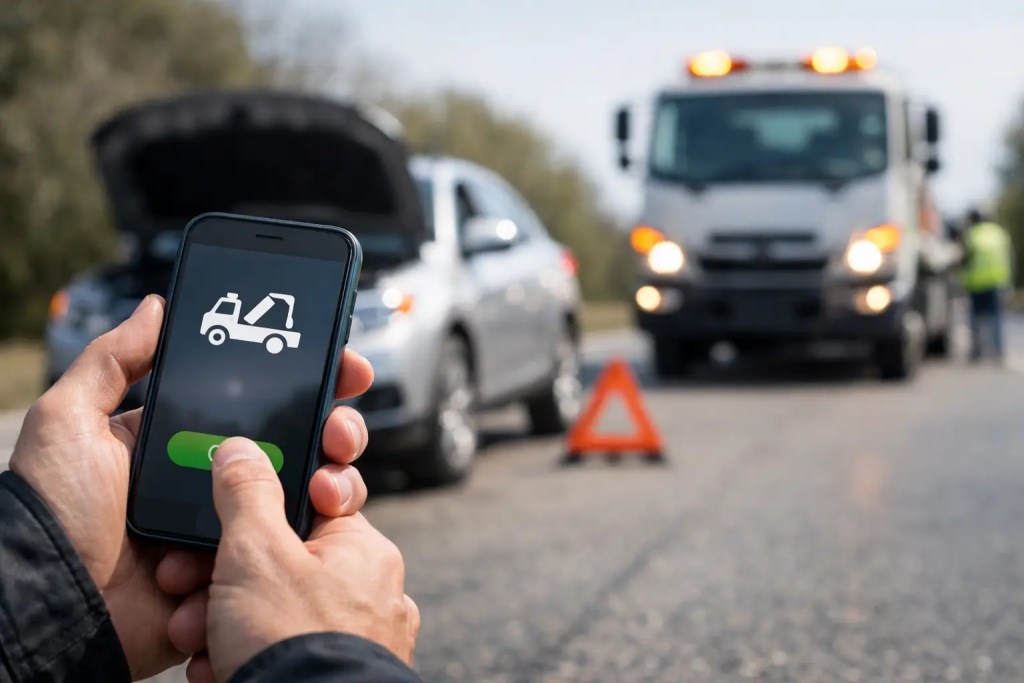
Clear information helps the truck arrive prepared. You do not need to know every mechanical detail, but a few basics make a real difference. Give the dispatcher your exact location, including nearby cross streets, mile markers, business names, or parking-lot entrances. “Near the exit” is not as useful as “southbound I-75 near Exit 260, on the right shoulder.”
Explain the vehicle’s year, make, model, and condition. Say whether it rolls, steers, and has inflated tires. Mention damage, low clearance, a broken wheel, a locked steering wheel, or whether the vehicle is stuck in mud, sand, a ditch, or a parking garage. Those details determine whether a standard tow truck is enough or if recovery equipment is needed.
Also state where the vehicle needs to go. That may be your home, a repair shop, a body shop, or another safe location. If the shop is closed, ask whether it accepts after-hours drop-offs and where the keys should be left. Planning this before the truck arrives prevents a second decision while you are already dealing with a breakdown.
Tow, Recovery, or Roadside Help?
The right service depends on what stopped your trip. Roadside help is often the fastest and least disruptive option when the problem can be solved where you are. A jump start may get you moving if the battery is weak. Lockout assistance can help when the keys are inside. A tire change can get you off the shoulder if you have a usable spare.
Towing makes more sense when the vehicle cannot be driven safely or reliably. Common reasons include an engine that will not start, overheating, transmission trouble, collision damage, a flat without a spare, or a warning light combined with serious performance problems. If you are unsure, describe the symptoms honestly. A dependable dispatcher can help determine the practical next step.
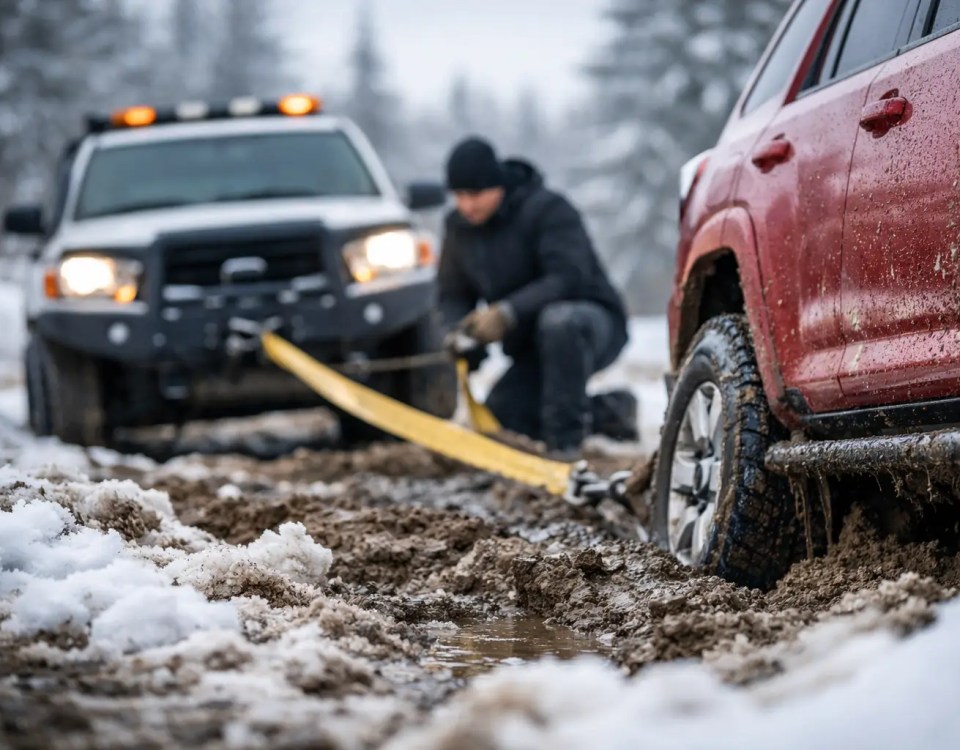
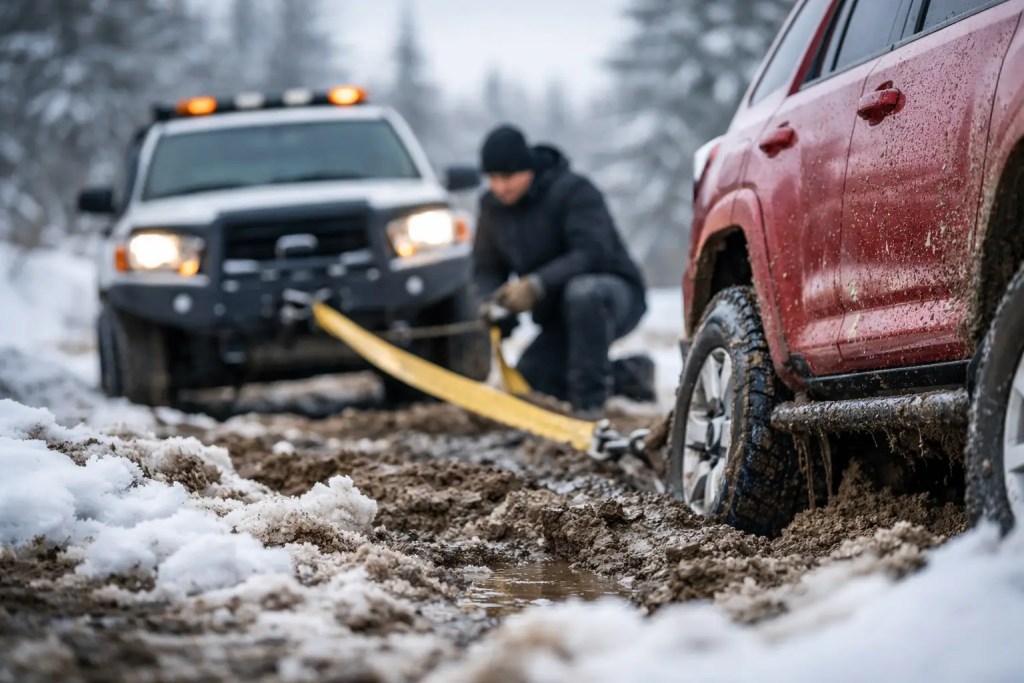
Recovery is different from ordinary towing. If your vehicle is in a ditch, stuck off-road, hung up on a curb, or otherwise positioned where a truck cannot simply hook up and leave, it may require additional equipment and time. Recovery work can cost more because the conditions are more complicated. Asking for a clear explanation of the situation and expected charges upfront is reasonable.
Choosing the Right Type of Tow
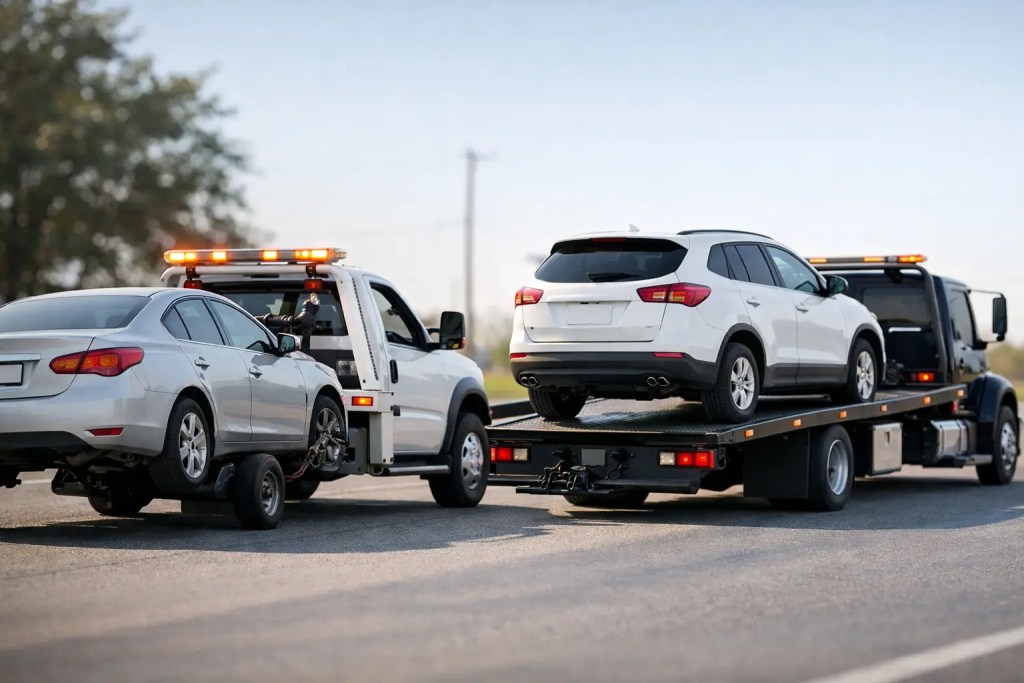
A tow is not one-size-fits-all. For many vehicles, a flatbed is the preferred option because the entire car rides on the truck. This reduces road contact and can be especially useful for all-wheel-drive vehicles, low-clearance cars, damaged vehicles, and cars with drivetrain concerns.
Wheel-lift towing can also be appropriate for certain vehicles and shorter moves when the vehicle is in good condition for that method. The best choice depends on the vehicle, where it is parked, whether its wheels turn, and the type of damage involved. If your car is all-wheel drive, has custom suspension, sits low, or has major accident damage, mention that before the truck is dispatched.
The point is not to request equipment you do not need. It is to give the operator enough information to send the right equipment the first time. That saves delays and reduces the chance of complications at pickup.
Avoiding Delays and Surprise Costs
No one wants to hear that the truck cannot access the vehicle or that a basic tow has turned into a more involved job. A few simple steps can keep things straightforward.
First, confirm the pickup address and destination before dispatch. Second, ask how the pricing works. A clear quote should explain whether the charge is based on a base hookup fee, mileage, time, recovery work, or after-hours conditions. Prices can vary based on distance, vehicle condition, and accessibility, so the lowest advertised number is not always the full story.
Third, have proof that you are authorized to move the vehicle. The title is not always needed for a standard tow, but having your registration, identification, or other ownership documents available can prevent questions, especially if the vehicle is being picked up from an apartment complex, repair lot, or private property.
Finally, remove valuables before the tow begins. Check the center console, glove box, trunk, cargo area, and any aftermarket accessories you can easily take with you. Take photos of the vehicle if it has existing damage or if it is being moved after a collision. This is not about expecting a problem. It is about keeping your records clear.
When an Unwanted Car Is the Real Problem
Sometimes the tow is only the first part of the solution. A car with a failed engine, major body damage, repeated repair needs, or high mileage may not be worth putting more money into. If the vehicle is sitting in your driveway, taking up space, and costing more than it is worth, selling it for cash can be the cleaner move.
A legitimate vehicle buyer should make the process easy: provide a fair offer based on the vehicle’s condition, arrange pickup, and explain the paperwork without games. No dealerships. No haggling. No waiting around for strangers to show up from a classified ad.
Titan Tow & Roadside LLC helps Tampa Bay vehicle owners with both sides of the problem: dependable towing when a vehicle needs to move and straightforward cash offers when it is time to let the vehicle go. Whether the car runs or not, the key is knowing which option makes financial sense for you.
A Quick Checklist Before the Truck Arrives
While you wait, keep your phone available and watch for updates from the driver. Have your keys, ID, registration, destination details, and any special instructions ready. If the vehicle is in a gated community or secured lot, arrange access before the truck arrives.
If you need to leave the scene for safety reasons, only do so after confirming the plan with the dispatcher. Tell them exactly where the keys will be, how to identify the vehicle, and who is authorized to release it. A tow cannot proceed smoothly if the driver arrives to a locked gate, missing keys, or unclear instructions.
A breakdown is frustrating, but it does not have to become chaotic. Give accurate details, choose service that fits the situation, and do not drive a vehicle that is telling you it is not safe to continue. The fastest solution is usually the one that gets the right truck, the right equipment, and a clear plan to your location from the start.
Need help with this today? We serve St. Petersburg, Tampa, Clearwater, Largo, Safety Harbor and Palm Harbor — 24/7.