Instant Cash Car Offer: What You Should Expect
July 14, 2026
Best Options for a Dead Car in Tampa Bay
July 16, 2026
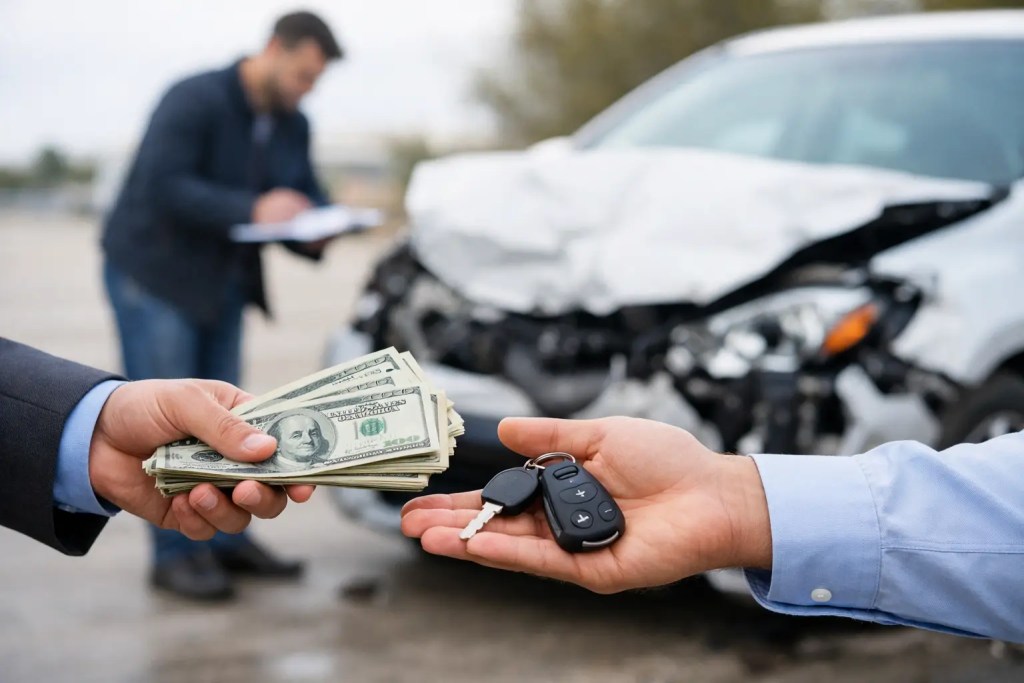
A wreck can turn a dependable daily driver into a problem sitting in your driveway. It may still run, but the bumper is hanging loose. It may need a tow, have airbag damage, or be declared a total loss by the insurance company. If you need to sell a car after an accident, the goal is simple: understand what you have, avoid spending money you will not get back, and choose a buyer who can actually handle a damaged vehicle.
A dealership may not want it. A private buyer may expect a steep discount, a clean car, and a test drive you cannot safely offer. That does not mean the vehicle has no value. Damaged, non-running, high-mileage, and totaled vehicles can still be sold for cash when you take the right approach.
First, Make Sure the Car Is Safe to Move
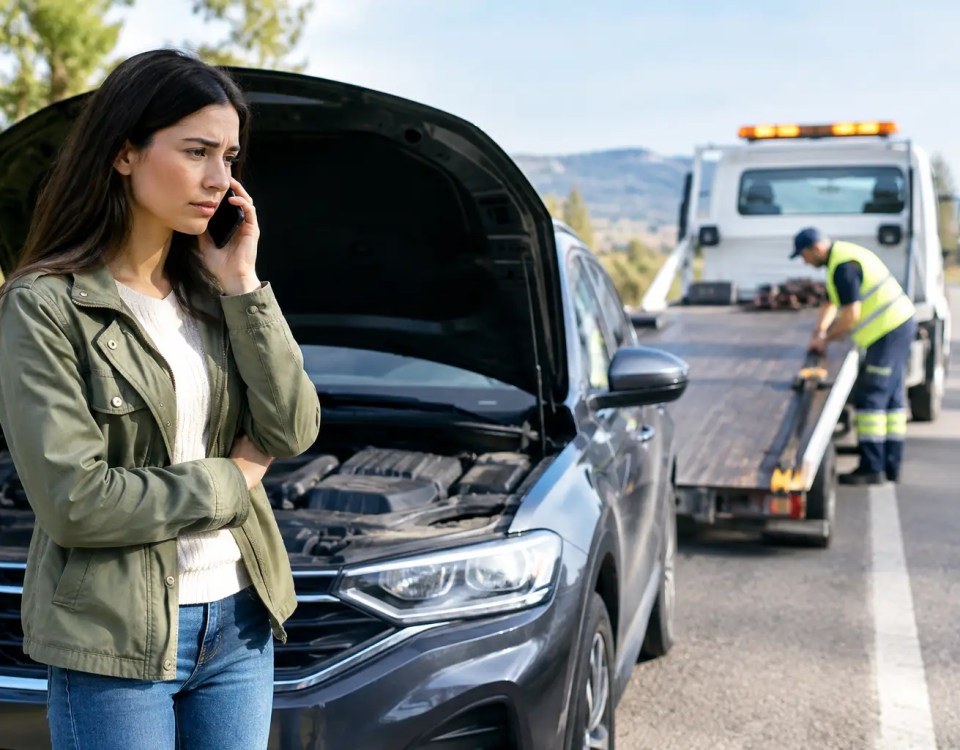
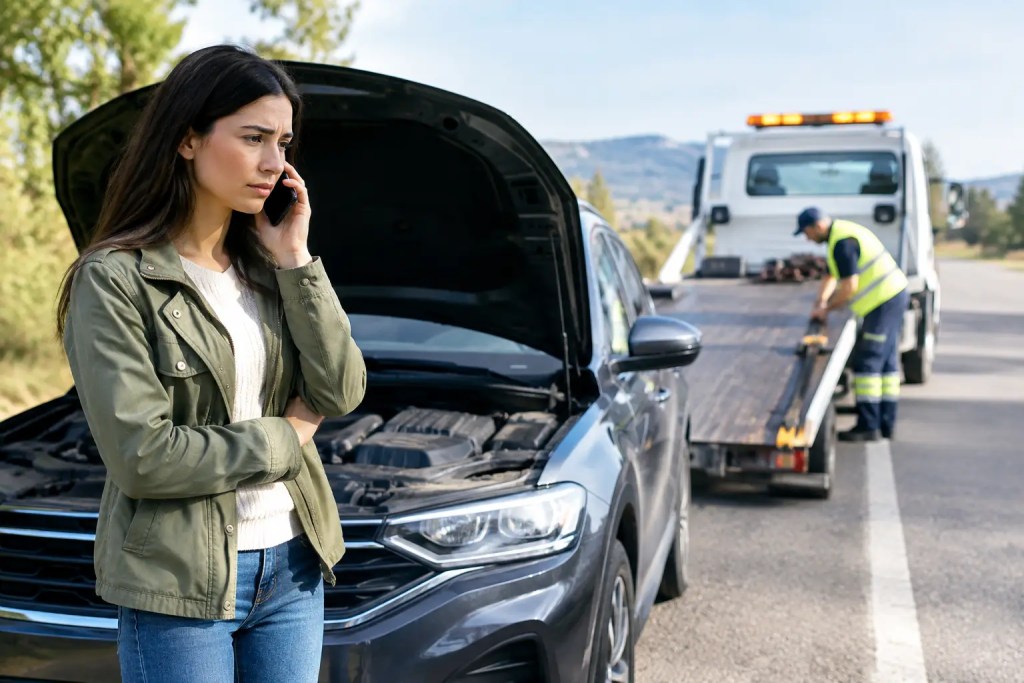
Do not drive an accident vehicle just because it starts. A bent wheel, leaking fluid, damaged radiator, deployed airbag, or loose body panel can turn a short trip into another expensive problem. If there is any doubt about whether the car is roadworthy, have it towed.
Take clear photos before anything changes. Photograph all visible damage, the interior, the odometer, the VIN plate, tires, and any parts that were not affected by the crash. Keep copies of the police report, repair estimate, insurance paperwork, and title documents. A buyer will use the details to make an accurate offer, and good information prevents surprises at pickup.
If the accident is recent, focus on safety and insurance first. Get medical attention if needed, report the claim, and remove personal items once the vehicle is released. Selling quickly is useful, but selling before you know whether the insurer will take possession of the vehicle can create unnecessary confusion.
Decide Whether Repairing It Makes Financial Sense
The biggest mistake after a collision is approving repairs based on emotion. You may love the car, need transportation, or feel that a few replacement parts should solve the issue. But accident damage often goes beyond what you can see. A cracked bumper may hide radiator support damage. A side impact can affect suspension, doors, sensors, and alignment.
Start with two numbers: the car’s pre-accident value and the real repair estimate. Include parts, labor, paint, diagnostic work, towing, rental costs, and the possibility of supplemental damage once repairs begin. Then consider the vehicle’s age, mileage, mechanical condition, and accident history.
Repairing can make sense when the damage is minor, the car is otherwise reliable, and the repair cost is well below its value. It may not make sense when airbags deployed, the frame is damaged, floodwater was involved, the engine will not run, or the repair bill is close to the vehicle’s worth.
Even a properly repaired vehicle can lose resale value after an accident. That is why putting thousands of dollars into an older car is not always the best move. Sometimes the smarter choice is selling it as-is and using the cash toward your next vehicle.
What Happens If Insurance Declares It a Total Loss?
A total loss does not always mean the car is worthless. It means the insurer has determined that repairing it is not economically practical under its guidelines. Depending on your coverage and the settlement, the insurance company may take the vehicle, or you may have the option to keep it.
Before you keep a totaled car, ask how that decision affects your payout, title status, and ability to sell it. In Florida, a vehicle that meets certain total-loss conditions may require a branded title. Paperwork matters because a legitimate buyer needs to know the title status before completing the purchase.
Do not assume that keeping the car automatically means you should repair it. If it needs major work or cannot be safely driven, selling it to a buyer equipped for damaged vehicles may be the cleaner option. Be direct about the accident, the insurance decision, and whether the title is clear, salvage, rebuilt, or still being processed.
How to Sell a Car After an Accident for a Fair Price
The best buyer depends on the vehicle’s condition. A clean, newer car with light cosmetic damage may still appeal to a private buyer or repair shop. A car with severe collision damage, mechanical issues, or a branded title is usually better suited for a damaged-car buyer, recycler, or towing company that purchases vehicles as-is.
When requesting offers, provide the year, make, model, mileage, VIN, location, title status, and an honest description of the damage. Mention whether it starts, drives, rolls, has deployed airbags, or needs towing. Include photos if requested. Accurate details lead to a more realistic quote and reduce the chance of a buyer changing the price when they arrive.
Be careful with offers that sound high but come with vague terms. Ask whether towing is included, whether there are any pickup fees, when payment is made, and what documents are required. A straightforward buyer should explain the process before dispatching a truck.
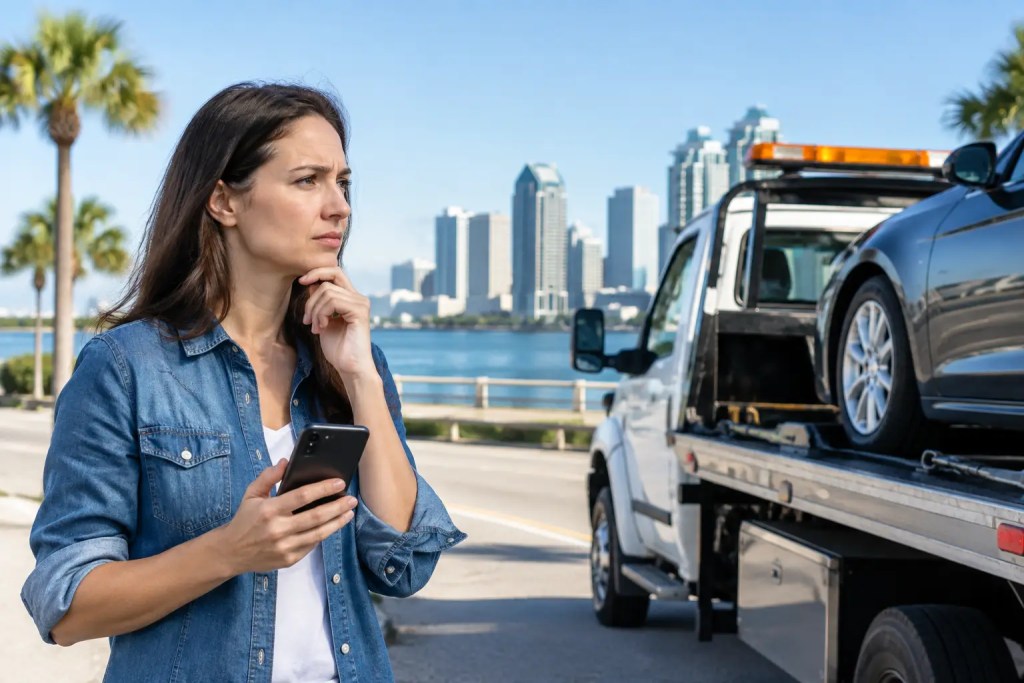
For many owners, a direct cash sale is more practical than listing a wrecked car online. There is no need to meet strangers at your home, arrange test drives, negotiate every dent, or wait for someone who says they will come by and never does. If the vehicle is disabled, free pickup removes another cost and another headache.
Have the Paperwork Ready Before Pickup
A quick sale still needs clean paperwork. In most cases, you will need the vehicle title and a valid photo ID. If there is a lien on the title, contact the lender before selling. You cannot transfer ownership properly until the lien is satisfied or the lender provides the required release process.
Remove your license plate according to Florida requirements, take out toll transponders, and clear the glove box, trunk, center console, and under-seat storage. Check your insurance policy after the sale and cancel or adjust coverage only when ownership has officially transferred.
If you cannot find the title, do not ignore the issue or sign vague documents. Ask what is needed to replace it or whether your situation qualifies for another legal ownership process. A reputable local buyer will tell you what documents they can accept instead of making promises they cannot keep.
Avoid the Costly Shortcuts
Do not hide accident damage from a buyer. Aside from being the wrong way to sell a car, it can delay the transaction or cause the agreed price to change once the damage is found. Be clear from the start.
Avoid paying for cosmetic repairs just to make the car easier to sell unless the numbers support it. A new bumper cover, paintwork, and detailing may improve appearance, but they may not add enough value to recover the cost. The same goes for installing cheap parts or trying to clear warning lights before a sale. Those shortcuts can create safety issues and make the transaction harder.
Also, do not leave a damaged vehicle sitting for months without protecting it. Water intrusion, a dead battery, flat tires, vandalism, and additional mechanical deterioration can lower its value further. If you know you are not repairing it, getting an offer sooner is usually the better move.
A Simple Option for Tampa Bay Drivers
When a damaged vehicle is taking up space and you are ready to move on, look for a local buyer that handles the whole job. Titan Tow & Roadside can buy unwanted, accident-damaged, non-running, and high-mileage vehicles across the Tampa Bay area, with fair cash offers and free pickup. No dealership trade-in pressure. No haggling with strangers. No need to make an unsafe car drivable first.
Be ready to share the vehicle details, its condition, and title information. Once you have a clear offer and a pickup plan, you can turn a stressful accident vehicle into cash and put your attention where it belongs: getting back on the road.
Need help with this today? We serve St. Petersburg, Tampa, Clearwater, Largo, Safety Harbor and Palm Harbor — 24/7.