Sell Car After an Accident Without the Hassle
July 15, 2026
Example of Junk Car Valuation That Makes Sense
July 17, 2026
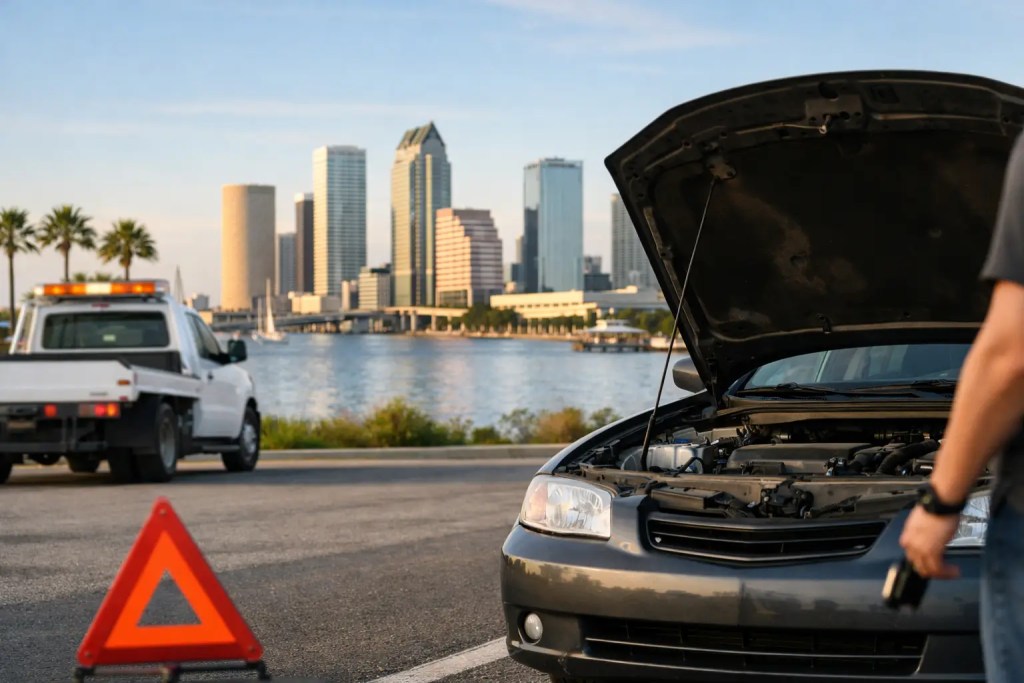
A dead car can turn a normal day into a problem fast. Maybe it will not start in the driveway, broke down on the way to work, or has been sitting for months with no clear plan. The best options for a dead car depend on what failed, what the vehicle is worth, and how much more money you are willing to put into it.
Do not assume every non-running vehicle belongs in the junkyard. At the same time, do not keep paying for repairs on a car that has reached the end of the road. Start with the facts, compare the real costs, and choose the option that gets the problem handled.
First, Find Out Why the Car Is Dead
“Dead” can mean several different things. A weak battery, flat tire, empty fuel tank, locked steering wheel, failed alternator, overheating engine, transmission trouble, or accident damage all require different decisions.
If the car has suddenly stopped starting, a jump start may be enough to get it moving. But if it starts after a jump and dies again shortly afterward, the battery or charging system may need attention. A jump start gets you out of the immediate situation. It does not always solve the cause.
Pay attention to warning signs before authorizing a repair. Repeated clicking, smoke, burning smells, leaking fluids, grinding noises, major dashboard warnings, or an engine that overheated should not be ignored. Trying to force a damaged vehicle to run can make a manageable repair much more expensive.
If you are stranded on a busy road, at night, or somewhere unsafe, roadside assistance or towing is the right first move. Your safety comes before figuring out the vehicle’s long-term value.
Best Options for a Dead Car: Choose Based on Value
The right choice usually comes down to a simple comparison: What will it cost to repair the vehicle, and what will the vehicle be worth once it is running?
A repair may make sense when the car is otherwise dependable, has manageable mileage, and needs a clear fix such as a battery, starter, alternator, tire, or minor electrical repair. It may also be worth repairing if you know the vehicle’s history and replacing it would cost far more than fixing it.
Repair becomes harder to justify when the vehicle has multiple major problems. A bad engine, failed transmission, serious rust, flood damage, repeated overheating, or extensive collision damage can quickly push repair bills beyond the car’s value. The same is true when a vehicle has been unreliable for months and every shop visit uncovers another issue.
Before you spend money, ask for a written estimate that separates urgent repairs from recommended maintenance. Then check the vehicle’s current as-is value and running value. A low repair estimate does not automatically mean it is a good investment if several other expensive problems are waiting behind it.
Option 1: Get Roadside Help and Repair It
If the car is worth keeping and the problem appears limited, roadside help is the fastest way to regain control. A jump start, tire change, fuel delivery, lockout service, or tow to a trusted shop can prevent a bad situation from getting worse.
This route is best for vehicles with a one-time issue or a known repair that fits your budget. For example, a newer vehicle with a failed battery or starter is usually worth fixing. A well-maintained car with a flat tire is not a selling decision at all. It is a roadside service call.
The trade-off is that the first repair may not be the last. If the car has high mileage and a pattern of breakdowns, ask the mechanic what is likely to need attention next. A clear answer helps you avoid putting several thousand dollars into a vehicle that will remain unreliable.
Option 2: Tow It Home or to a Repair Shop
A tow is often the practical choice when the car cannot be safely driven. Do not drive with an overheating engine, damaged wheel, severe fluid leak, brake problem, or warning light that signals a serious mechanical issue. Saving one tow bill is not worth turning a repairable vehicle into a total loss.
Towing also gives you time to decide without leaving the car in a parking lot, on the shoulder, or at a business that may have it removed. If you need a diagnosis, tow it to a repair shop. If you need time to review your options, tow it home if your property allows it.
For Tampa Bay drivers, heat and sudden rain can make a disabled vehicle even more stressful. Fast, professional towing gets the car out of the way and lets you make the next decision from a safer place.
Option 3: Sell the Car As-Is to a Private Buyer
A non-running vehicle can still have value to a mechanic, rebuild project buyer, or someone looking for parts. Selling privately may bring more money than scrapping it, especially if the body is clean, the title is available, and the issue is known.
Be direct in the listing. State that the car does not run, describe what happened, disclose major damage, and say whether it needs to be towed. Clear information saves time and reduces arguments when a buyer arrives.
Private selling takes effort, though. You will need to answer messages, deal with no-shows, negotiate, verify payment, and arrange pickup. It can work when you are not in a rush and the vehicle has enough value to justify the time. It is usually not the best fit when the car is blocking your driveway, sitting at a shop, or costing you storage fees.
Option 4: Sell a Dead Car for Cash
For many owners, selling a non-running car to a local vehicle buyer is the cleanest option. You receive an offer based on the vehicle’s condition, accept if it works for you, complete the paperwork, and have the vehicle picked up. No repair appointment. No private-sale runaround. No need to find someone with a trailer.
This option is especially useful for junk cars, accident-damaged vehicles, cars with bad engines or transmissions, high-mileage vehicles, and vehicles that have been sitting too long. Even if the car will not start, it may still have value in its parts, metal, make, model, title status, and overall condition.
Have basic details ready: the year, make, model, mileage, VIN, condition, location, and title status. Be honest about whether the vehicle rolls, has keys, or has major missing parts. Accurate information leads to a more accurate offer and a smoother pickup.
Titan Tow & Roadside LLC helps Tampa Bay owners turn unwanted, damaged, and non-running vehicles into cash with fair offers and free pickup. When the car is no longer worth repairing, a straightforward sale can end the problem the same day.
Option 5: Donate or Recycle It
Donation can be a reasonable choice if you do not need the cash and the organization accepts non-running vehicles. Confirm who handles towing, what paperwork is required, and whether you will receive documentation for your records. Do not assume every donation creates the same tax benefit. Keep the required paperwork and ask a tax professional if you have questions.
Recycling or scrapping is usually the final option for a vehicle with little resale value. It may be the right route for severe fire, flood, rust, or structural damage. Still, get quotes first. A complete vehicle with a clean title may be worth more to a cash buyer than its raw scrap weight.
Protect Yourself Before Any Sale or Pickup
Remove personal items from the glove box, trunk, center console, under seats, and door pockets. Check for toll passes, registration papers, garage remotes, work equipment, and old mail. Take your license plate off if your state and registration situation require it.
Do not hand over a vehicle without confirming payment and completing the title transfer correctly. If there is a lien on the car, contact the lender first. A buyer cannot simply make that problem disappear. Keep copies of the bill of sale, release paperwork, and any pickup confirmation.
Avoid buyers who refuse to give a clear offer, pressure you to sign incomplete paperwork, or change the price after arriving without a legitimate reason. A fair transaction is simple: clear condition details, a clear offer, proper documents, and pickup as agreed.
A dead car does not need to stay dead weight in your driveway or on your budget. If the repair is reasonable, get it fixed. If it is unsafe, get it towed. If it is done costing you money, turn it into cash and move on.
Need help with this today? We serve St. Petersburg, Tampa, Clearwater, Largo, Safety Harbor and Palm Harbor — 24/7.