Guide to Same Day Car Sale That Works
July 10, 2026
Guide to Junk Car Paperwork for Fast Sales
July 12, 2026
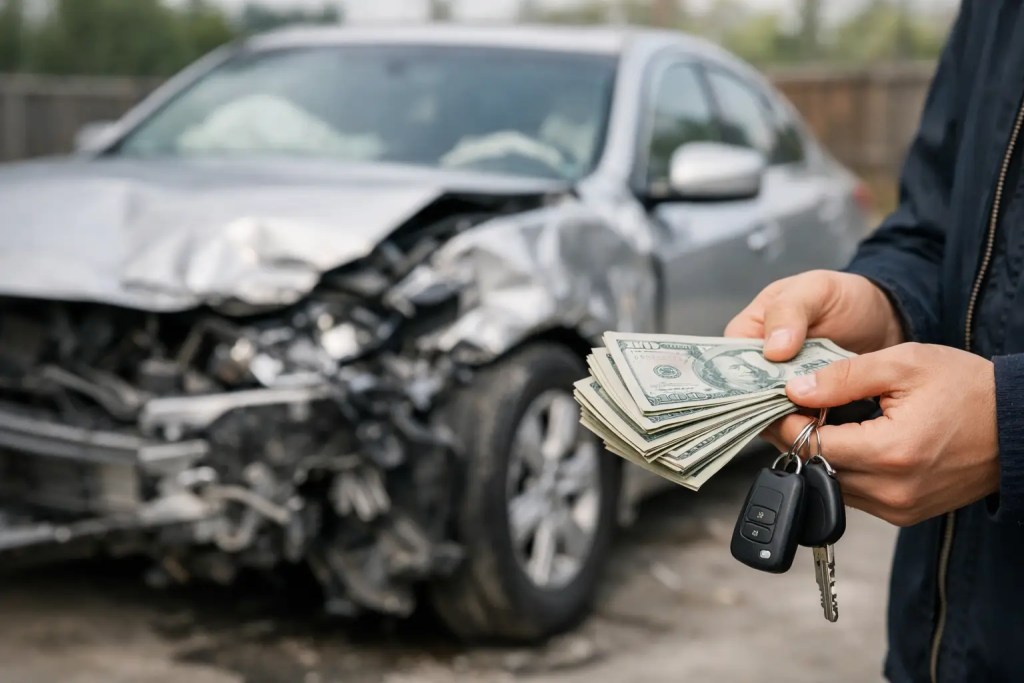
A damaged car can become expensive fast. It may not start after an accident, it may have mechanical trouble that costs more than the vehicle is worth, or it may simply be taking up space in the driveway. Knowing how to sell a damaged vehicle gives you a clear way forward: get an honest offer, arrange pickup, and turn a problem vehicle into cash without dealing with repairs, listings, or strangers.
For many Tampa Bay owners, the best selling method depends on the damage, the vehicle’s condition, and how quickly they need it gone. A newer vehicle with light cosmetic damage may still make sense as a private sale. A non-running car, flood-damaged vehicle, totaled vehicle, or high-mileage truck is often better sold directly to a local vehicle buyer that can tow it away.
How to Sell a Damaged Vehicle Without Wasting Time
Start by being clear about the vehicle’s condition. You do not need to be a mechanic, and you do not need to diagnose every issue perfectly. Just provide the facts you know. Does it run and drive? Was it in an accident? Is there engine, transmission, electrical, body, or flood damage? Does it have a clean title, salvage title, or no title at all?
Honesty saves time. A buyer who knows the vehicle’s actual condition can make a realistic offer and arrive prepared for pickup. Trying to hide damage usually leads to a reduced offer when the tow truck gets there, or it can end the sale completely.
Have the basic details ready before requesting quotes: the year, make, model, mileage, VIN if available, title status, and location. A few current photos can help as well, especially photos of visible accident damage, missing parts, flat tires, or the interior. The more accurate the information, the more accurate the offer.
If you want a fast sale, ask whether the offer includes towing and whether payment is made at pickup. Those two details matter. A higher offer is not necessarily better if you have to pay a separate tow bill, wait several days, or chase down payment afterward.
Decide Whether Repairing Is Worth It
Before selling, take a hard look at the numbers. A repair estimate is useful when the damage appears minor, but it is not always worth paying for a full inspection on an older vehicle. Compare the likely repair cost with the vehicle’s value after repair, then leave room for surprise problems.
For example, a car worth $4,000 in good condition may need $3,000 in engine work, tires, and body repairs. Spending that money does not guarantee you will recover it when you sell. The same goes for collision damage on a vehicle with a bent frame, deployed airbags, or a damaged suspension. Those repairs can grow quickly once work begins.
Selling as-is is often the practical choice when the vehicle is non-running, badly damaged, unreliable, or no longer safe to drive. You avoid putting more money into a vehicle you are ready to replace. You also avoid the hassle of arranging transport to a repair shop and waiting through an uncertain repair timeline.
A private sale can bring more money for a vehicle that runs, drives, and only needs modest work. But it also means creating an ad, answering messages, meeting buyers, negotiating, and handling test drives. For a heavily damaged or inoperable vehicle, a direct cash buyer is usually the faster, simpler option.
Get the Paperwork Ready
Paperwork is where many vehicle sales slow down. In Florida, the title is generally the key document needed to transfer ownership. Make sure the name on the title matches your identification and check whether there is a lien listed on it. If a lien remains, it must be satisfied before a clean ownership transfer can happen.
Do not sign the title until you are ready to complete the sale and know where the signature belongs. A mistake, cross-out, or missing section can create delays. If you have misplaced the title, ask the buyer whether they can purchase the vehicle with alternative documentation or whether you should request a replacement title first. Requirements can vary based on the vehicle and its ownership history.
Remove personal belongings before pickup. Check the glove box, center console, trunk, under the seats, door pockets, sun visors, and any storage compartments. Take out toll transponders, parking passes, garage remotes, and insurance documents. Also remove your license plate if required for your situation, then handle plate and insurance cancellation properly after the sale.
Know What Affects Your Offer
Damage does not mean your vehicle has no value. Buyers look at more than whether it starts. A damaged vehicle can still have value for usable parts, metal, repair potential, and resale demand.
The offer will usually be influenced by the vehicle’s year, make, model, mileage, title status, overall damage, location, and whether it rolls or can be loaded easily. Popular trucks, SUVs, and late-model vehicles may bring stronger offers even with significant damage. Vehicles with intact engines, transmissions, catalytic converters, wheels, body panels, or valuable components can also be worth more than owners expect.
On the other hand, missing major parts, severe fire damage, extensive flood exposure, or a vehicle that cannot be accessed can affect the offer. Be upfront about these details before scheduling pickup. It prevents surprises and helps the towing team bring the right equipment.
Get more than one quote if you have time, but compare the full deal instead of focusing only on the top number. Confirm whether towing is free, whether there are hidden charges, how soon pickup is available, and when you receive payment. A straightforward offer with free pickup and payment on the spot can be worth more than a slightly higher quote that comes with extra fees or delays.
Avoid Common Selling Problems
Damaged vehicle owners often lose time by posting an unrealistic price and waiting for the perfect buyer. If the car does not run, has a salvage history, or needs major repairs, most private buyers will expect a steep discount. Be realistic about the condition and your goal. If your goal is maximum return, you may need patience. If your goal is fast removal and cash, choose a buyer set up for damaged vehicles.
Do not accept vague promises such as “we will pay you later” or “the driver will decide the final price” without a clear explanation. Ask how the offer is calculated and whether it is guaranteed based on the condition you described. A professional buyer should communicate plainly about what they need from you and what will happen at pickup.
Be cautious with buyers who ask you to pay a deposit, wire money, or release the vehicle before payment is complete. You should know who is buying the vehicle, have the required documents ready, and receive the agreed payment as the transaction is completed.
When Free Pickup Makes the Most Sense
Free pickup is especially valuable when a vehicle cannot be driven safely. An accident-damaged car may have leaking fluids, damaged lights, a bent wheel, or airbag issues. A non-running vehicle may need a winch, dollies, or a flatbed. Trying to move it yourself can create more damage, risk a ticket, or put you in an unsafe situation.
A local buyer that provides towing removes that burden. You do not have to pay for a separate tow, coordinate two companies, or take time off to sit at a repair shop. For owners in Tampa, St. Petersburg, Clearwater, and nearby communities, local pickup can turn a vehicle sale from a multi-day headache into a simple appointment.
Titan Tow & Roadside LLC buys unwanted, damaged, junk, non-running, and high-mileage vehicles and can arrange free pickup. The process is built for owners who need a fair offer and a vehicle gone without dealership trade-in games or private-sale hassle.
Make the Sale on Your Terms
A damaged vehicle does not need to sit in your driveway while repair bills pile up. Gather the facts, prepare the title, ask clear questions about the offer, and choose the option that fits your priorities. If speed, convenience, and no out-of-pocket towing costs matter most, selling as-is to a local buyer is often the smart move.
The right next step is simple: get an honest quote based on the vehicle you have, not the vehicle you wish it still was. That gives you a real number, a real pickup plan, and room to move on.
Need help with this today? We serve St. Petersburg, Tampa, Clearwater, Largo, Safety Harbor and Palm Harbor — 24/7.