Best Buyer for a Totaled Car: What to Look For
July 21, 2026
Junk Car Prices 2026: What Is Your Car Worth?
July 23, 2026
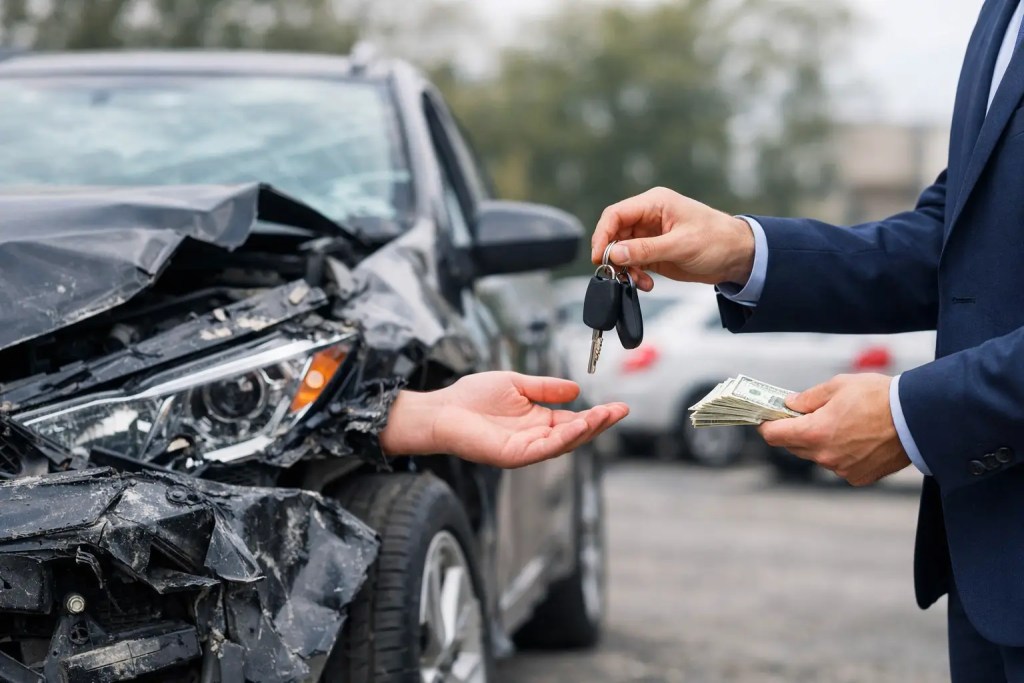
A crash can turn a dependable vehicle into a problem overnight. The repair estimate comes in higher than the car’s value, the insurance company calls it a total loss, and now it is taking up space in your driveway. Can you sell a totaled car? Yes. But who owns it, what title it has, and whether the insurance claim is finished will determine your next move.
You do not need a dealership trade-in to get rid of a totaled vehicle. Damaged, non-running, high-mileage, and salvage-title cars still have value. The right buyer may want it for parts, repair, recycling, or resale. The key is handling the title and insurance side correctly before money changes hands.
Can You Sell a Totaled Car After an Insurance Claim?
You can sell a totaled car if you legally own it and can transfer the title. That sounds simple, but insurance settlements can change who owns the vehicle.
When an insurer declares a car a total loss, it usually gives you two choices. You can accept the settlement and let the insurance company take the vehicle. In that case, you cannot sell it because it is no longer yours. Or, you may be able to keep the car under an owner-retained option. The insurer deducts its expected salvage value from your payout, and you keep the vehicle.
If you retain the totaled car, you can generally sell it once the title is properly handled. Ask your adjuster exactly what happens to the title, whether the vehicle will receive a salvage brand, and whether there are any required forms before you sell. Get the answer in writing if possible. A quick call now can prevent a title problem later.
If you were not using insurance, or the claim was denied, you can usually sell the vehicle as long as you hold a transferable title and disclose its condition honestly. Accident damage, flood exposure, airbag deployment, frame damage, and mechanical failure all affect value. They should not be hidden from a buyer.
Know the Difference Between a Totaled Car and a Salvage Title
A totaled car is an insurance decision. A salvage title is a title status. They often go together, but they are not the same thing.
An insurance company may total a vehicle because repairs are not financially reasonable, even if the car can still be driven. A repairable car can be totaled after cosmetic damage, theft recovery, water damage, or an accident that triggers expensive airbag and sensor repairs. That vehicle may still be worth selling.
A salvage title generally tells future buyers that the vehicle was declared a total loss. It can lower resale value, limit financing options, and make insurance harder to obtain. It does not automatically mean the car is worthless. A salvage vehicle may be valuable for parts, metal, rebuilding, or export, depending on its age, make, condition, and damage.
Florida title requirements can vary based on the situation, especially after an insurance settlement. Do not assume a standard clean-title sale applies. Check that the title in your possession matches the vehicle’s current status before listing it or accepting an offer.
What You Need Before Selling a Totaled Vehicle
A serious buyer will want to confirm that you own the vehicle and have the right paperwork. Having everything ready makes the sale faster and protects you from a deal that falls apart at pickup.
Bring together these items before requesting offers:
- Your photo ID and vehicle title, if available
- The vehicle identification number, or VIN
- Any insurance settlement or owner-retention paperwork
- Lien release documents, if the car was financed
- Keys, registration, and any useful repair or maintenance records
A missing title does not always mean you are out of options, but it can delay the transaction. If there is still a lien on the vehicle, that must be resolved before ownership can be transferred. A buyer cannot legally take clear ownership just because the car is damaged.
Take a few clear photos, too. Show the front, rear, both sides, interior, odometer, VIN plate if accessible, and the damaged areas. If it starts, say so. If it does not start, say that clearly. Straight answers lead to more accurate offers and fewer surprises when the tow truck arrives.
Who Buys Totaled Cars?
Private buyers may be interested in a totaled car, especially a popular model with repairable damage. But private sales take time. You may need to answer messages, negotiate with strangers, arrange test drives, and deal with buyers who disappear after making an offer. If the car is unsafe or non-running, that process gets even harder.
Repair shops and rebuilders may buy vehicles with manageable collision damage. Parts buyers may want a car with a strong engine, transmission, catalytic converter, wheels, or usable body panels. Scrap buyers focus more on weight and recoverable materials, though valuable components can raise the offer.
For most owners, a local cash-for-cars buyer is the practical choice. They can evaluate the vehicle as it sits, make an offer based on its actual condition, and arrange pickup. In Tampa Bay, Titan Tow & Roadside helps owners move unwanted, wrecked, and non-running vehicles without paying for a separate tow.
What Is a Totaled Car Worth?
The honest answer is: it depends. A totaled late-model truck with light rear damage may be worth far more than an older sedan with flood damage and a seized engine. The vehicle’s year, make, model, mileage, title status, location, and condition all matter.
Parts demand matters, too. A vehicle with a good engine, transmission, interior, and electronics may bring more than its scrap value. On the other hand, severe fire damage, major flood damage, missing parts, or a crushed frame can reduce what a buyer can pay.
Do not judge an offer only by the number. Consider what it costs you to keep the car. Storage fees, towing charges, repair estimates, expired tags, and the risk of neighborhood or HOA complaints add up quickly. A fair offer with free pickup can be worth more than a slightly higher number that requires you to transport a non-running vehicle yourself.
How to Sell a Totaled Car Without the Runaround
Start by confirming whether your insurer owns the car or whether you retained it. Next, locate your title and check for liens. Then describe the car accurately when requesting offers. Include the VIN, location, whether it runs, what was damaged, and whether the airbags deployed.
Be cautious with buyers who quote a high price over the phone but lower it dramatically at pickup without finding new damage. A legitimate buyer should explain what affects the offer before sending a truck. Ask whether pickup is free, whether they handle non-running vehicles, and what paperwork they need from you.
Before the vehicle leaves, remove your personal belongings, garage opener, toll transponder, plates if required, and any documents containing personal information. Cancel or update your insurance once the sale and transfer are complete. Keep copies of the signed title, bill of sale if used, and any release paperwork for your records.
Do Not Let a Totaled Car Become a Bigger Problem
A damaged vehicle rarely gets easier to sell by sitting for months. Tires go flat, batteries die, water gets inside, and usable parts deteriorate. If it is parked at a body shop or tow yard, daily storage charges can eat into whatever value is left.
Get the insurance answer, gather your title paperwork, and request a clear offer from a buyer equipped to pick up the vehicle. A totaled car may be the end of one drive, but it does not have to be the start of a long, expensive headache.
Need help with this today? We serve St. Petersburg, Tampa, Clearwater, Largo, Safety Harbor and Palm Harbor — 24/7.